The landscape of Italian football is in flux, with Silvio Baldini stepping in as the caretaker coach following Gennaro Gattuso's resignation. Italy’s dismal track record, having missed out on the World Cup for the third straight time, underscores the urgency for a decisive leadership overhaul. His appointment for the June friendlies against Luxembourg and Greece is temporary, setting the stage for a significant change after the Italian Football Federation (FIGC) Presidential election on June 22, 2026.
Coaching Transition in Italy
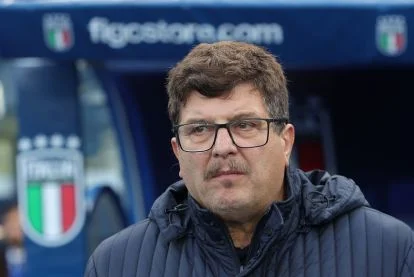
The resignation of Gattuso, coupled with FIGC President Gabriele Gravina's exit, has created a leadership vacuum within Italian football. This situation isn’t just about losing a head coach; it’s emblematic of a broader failure in a system that once flourished at the highest levels of international competition. Baldini, who previously managed the U21 squad, is now charged with navigating Italy's immediate future, but he is only a stopgap. During his tenure, the real focus will be on results in friendlies, which serve as a litmus test for the team’s potential. Yet, the tactical and strategic direction of the team will depend heavily on the decisions made post-election.
With the FIGC election on the horizon, time is running out for the incoming president to enact substantial changes. This election is not merely administrative; it will shape the next few years for Italian football. The new president is expected to prioritize naming a head coach ahead of key Nations League matches against Belgium and Turkey in September. Decisions made in this critical window could either resurrect Italy's fortunes or exacerbate the current malaise. And with significant stakes involved, it’s clear that whoever takes the helm will face immense pressure to restore a once-proud footballing tradition.
The Road Ahead
The FIGC’s presidential race is narrowing down to Giovanni Malagò and Giancarlo Abete as primary contenders, but discussions about the head coach position are equally heated. Candidates like Antonio Conte, Massimiliano Allegri, Claudio Ranieri, and even Roberto Mancini are being floated in the media, though the wildcard remains the speculation around Pep Guardiola as a dream appointment. The idea of Guardiola leading Italy seems far-fetched, but it does emphasize the ambition that many stakeholders in Italian football have for revitalizing the national team. The very mention of such a high-profile manager hints at a desire for modernity and success.
However, pursuing such lofty goals raises pressing questions about feasibility. While it’s refreshing to see ambition, it’s vital that the new president and coach find a strategy that balances immediate results with long-term development. Ideally, they should foster a blend of youth talent and seasoned professionals, ensuring that Italy remains competitive. After all, this isn’t just about winning matches; it’s about restoring a national pride that has taken significant hits in recent years. Unless meaningful change occurs, Italy risks remaining on the periphery of international football.
What this means for you as a football fan is profound. The current transitional phase in Italian football is one to watch closely, as it reveals much about Italy's strategic ambitions and recovery plans on the international stage. If you’re working in this space, consider the intricate dynamics shaping team management. Factors such as player selection, coaching philosophy, and even administrative vision will continue to influence outcomes significantly.
Implications for Italian Football
The ramifications of this leadership change extend beyond immediate performance in friendlies; they point toward a deeper identity crisis within Italian football. Unlike other footballing nations that have embraced change, Italy has often clung to traditional values. This tension between adherence to historic norms and the push for modernization creates an interesting paradox. Enthusiasm for establishing a new era of success must contend with the realities of ingrained practices and ideologies.
And yet, Italy can’t afford another misstep. If the incoming leadership fails to galvanize the team, discontent among fans and stakeholders will surely grow. The collective memory of triumph in past tournaments weighs heavily—you can’t ignore the pressure of a nation that’s historically dominated European football. Looking ahead, success will require deft management and innovative thinking. For Italian football to reclaim its standing, a clear vision and unwavering commitment to progress are non-negotiable.
A failure to capture this moment could mean years of struggle, preventing Italy from nurturing the talent and strategies necessary to compete effectively. The stakes couldn’t be higher. As the clock ticks on the FIGC election and subsequent appointments, all eyes will be on how these decisions play out on the pitch. The future of Italian football hinges on it.