Paolo Maldini's departure from AC Milan as technical director this past summer marks a significant shift in the football world. With whispers of his next career step circulating, Maldini’s potential move to Fenerbahce highlights ongoing tensions resulting from his recent fallout with Milan's patron, Gerry Cardinale.
The Nature of the Rift with Gerry Cardinale
The conflict between Maldini and Cardinale centers on contrasting visions for the future of Milan. Cardinale's remarks, suggesting that Maldini operated like a "one-man show," reveal not only deep-rooted issues regarding teamwork but also contrasting management philosophies within the club. This isn’t merely a personal clash but illustrative of broader managerial dynamics in football. In a world increasingly reliant on collaborative decision-making, these kinds of disputes can set back club ambitions for years.
The fallout comes at a time when AC Milan has been under pressure to perform at a high level both domestically and in European competition. With high-profile signings and a historic fanbase, the stakes have never been higher. Maldini, a club legend, brought invaluable insights from his playing days, but it appears that his somewhat singular approach may not align with Cardinale's more modern, possibly analytical framework. Fans might see this as a betrayal, while analysts will point out that it underscores conflicts that often run beneath the surface of elite sports organizations.
In a recent response, Maldini downplayed the criticism, claiming his approach speaks for itself – an interesting defense that suggests he believes solid results would have buffered him against mismanagement accusations. This perspective reinforces the notion that success is multifaceted in football; it isn’t just about the big names, but effective teamwork and clear vision. As pointed out, this shift isn’t just a personal matter—it's reflective of how clubs are increasingly expected to function in a cooperative manner.
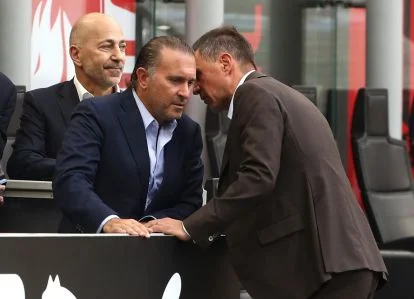
The Implications of Maldini’s Departure
You might think Maldini's exit signifies a mere personal setback. In reality, it echoes wider industry challenges. The commodification of football, viewing players and directors as just cogs in a business machine, seems to strip away the sentimental value of sporting legends. What happens when the emotional ties fade? Will clubs forsake their legacies—all for the sake of profitability? The answer remains uncertain but troubling.
Maldini’s professional ethos embodies the romantic ideals of football—a belief in loyalty, tradition, and the power of a singular vision. If his exit from Milan serves as a cautionary tale about the drift between club legends and corporate governance, it becomes more than just a headline; it’s a sign of changing times and shifting allegiances, especially in a sport that often values economics over history.
Looking Ahead: Fenerbahce's Interest
Despite his long-held sentiment of avoiding work in Italian football apart from Milan, Maldini’s future might shift to Turkey. He has been in talks with Hakan Safi, a presidential candidate for Fenerbahce, potentially positioning him for a significant role should Safi be elected. This prospective move raises multiple questions not only about the stability of leadership in Turkish football but also about how it can shape the playing philosophy of Fenerbahce. What might his tactical insights bring to Fenerbahce’s ambitions?
Such a shift would not only change Maldini's career trajectory but also surface Fenerbahce's ambition to leverage his expertise in their strategic endeavors. This is more significant than it looks. If Maldini takes up this role, it wouldn’t just elevate Fenerbahce’s profile; it would likely impact the entire Turkish league, setting a precedent for other clubs that may be eyeing marquee signings with similar histories.
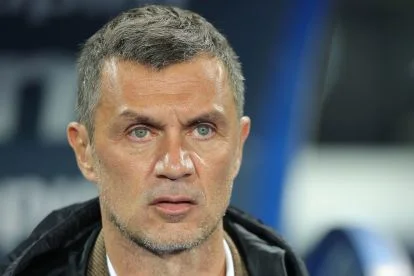
Future Outlook for Maldini and European Football
Maldini’s future is now shrouded in uncertainty. If he aligns with Fenerbahce, it could reshape expectations not only for his career but also for European football dynamics, especially regarding the allure of Italian legends taking roles abroad. Fans and analysts alike will be watching closely to see how this saga unfolds. Beyond just Maldini, this scenario challenges other clubs across Europe to either secure their own legends in a changing culture or risk losing them to lucrative opportunities elsewhere.
The implications stretch further. The dynamics between cultural heritage and management pragmatism are at play here. If you're working in this space, you have to consider how these relationships will evolve. History suggests that football is cyclical, and the departure of figures like Maldini could mark the beginning of a trend that prompts clubs to reconsider the value of tradition against the backdrop of modernity.
It’s a line that keeps shifting. And this is the part most people overlook. The intersection of legacy and modern governance might lead to an unexpected renaissance for clubs that successfully navigate this territory.