Aleksandar Stankovic’s return to Inter Milan marks a significant strategic move for the club, reflecting both a strong investment in youth development and a commitment to leveraging its past successes. At just 20 years old, the midfielder is slated to rejoin Inter after a productive spell at Club Brugge, where he played a pivotal role in the team’s title win last season, logging nine goals and five assists across 55 appearances. Stankovic’s journey back to Inter signifies more than just the re-acquisition of talent; it’s an illustration of a club looking to blend its rich history with a more pragmatic future-focused approach.
Navigating the Buy-Back Dynamics
Inter initially sold Stankovic to Brugge for approximately €9.5 million last summer, ensuring a low buy-back clause that would enable his return for €23 million now, or €26 million if they opted to wait until June 2027. This foresight reflects a broader strategy for nurturing talent while maintaining financial prudence—effectively making Stankovic’s return a calculated decision that only requires an investment of about €14 million following his development year abroad. The buy-back arrangement illustrates an increasingly common practice among clubs aiming to maintain control over players they’ve trained, allowing them flexibility without heavy upfront financial commitments. This approach can be particularly beneficial for clubs facing financial limitations while still wanting to compete at high levels.
The Legacy of the Stankovic Name
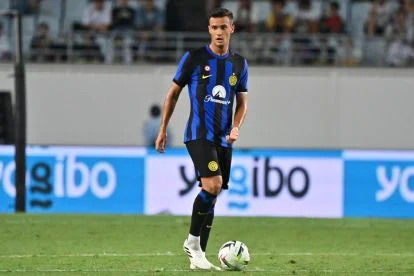
Moreover, Stankovic is not just another player; he carries the weight of his father, Dejan Stankovic's legacy, a former Inter star. This familial link adds an emotional layer to his return, which could reinvigorate the club’s fanbase and strengthen their identity. Fans often resonate with players who represent continuity and shared history, and the Stankovic name can evoke feelings of nostalgia and pride among long-time supporters. While talent on the field is essential, the emotional connection a player brings can significantly influence their reception and performance. The legacy that comes with a name like Stankovic might put added pressure on the young midfielder, but it could also motivate him to excel and make his own mark in the annals of Inter’s storied history.
Challenges Ahead
As he prepares to reunite with Inter under coach Cristian Chivu, there’s palpable anticipation about how Stankovic will integrate into the competitive midfield framework of Serie A. The current squad boasts a blend of experienced veterans and emerging talents, creating a challenging environment for someone as young as Stankovic. He’ll need to adapt quickly to the rigors of top-flight Italian football, where each match is not only a test of skill but also endurance and mental fortitude. Fans are watching closely: Will Stankovic handle the pressure? Will he contribute right away or take time to adjust?
(And this is the part most people overlook) On the field, the pace and tactical nuances of Serie A can stifle even the most skilled players if they struggle to fit the system or adapt to a new playing style. Stankovic’s versatility will be critical; he’ll need to demonstrate he can contribute defensively while also being a creative force going forward. This isn’t just about his individual performance – it’s about his ability to elevate those around him, a trait that often dictates success in high-stakes matches.
Future Implications
If you’re working in this space, consider what Stankovic’s return signifies for Inter’s long-term strategies. While individual player success is essential, the overarching narrative here concerns Inter's ability to develop and retain young talent. If they can capitalize on Stankovic's growth, it could redefine the club's approach to roster management and talent retention in the coming seasons. Developing player pathways from the youth academy to first-team prominence isn’t just a strategic choice; it’s becoming a necessity in a world where financial fair play regulations tighten and transfer fees skyrocket.
As this unfolds, many clubs are confronting similar crossroads, deciding whether to invest heavily in ready-made players or nurture their own. In an era where young talent often comes with high expectations, Stankovic can serve as a litmus test for Inter’s philosophy regarding youth development. The coming months will likely provide a clear picture of whether Inter's investment in Stankovic will pay off or if they’ll need to rethink their focus as they navigate the complexities of modern football. The stakes are high, and all eyes are on the younger Stankovic to see if he can redefine not just his career, but the future of Inter Milan itself.