The argument over Brazil’s style
Pep Guardiola’s defence of Carlo Ancelotti turns on a constraint familiar to anyone moving from club football to an international team: there’s little time to train, and results still decide how long a coach stays. Speaking with former Barcelona teammate Romario, Guardiola urged patience with Brazil’s manager while acknowledging the pressure surrounding the job. His argument wasn’t that Brazil’s performances should escape criticism. It was that the demands of international football make quick judgments about a coach’s work harder to separate from the circumstances around it.
Romario has been among Ancelotti’s strongest critics, particularly after Brazil’s exit in the 2026 World Cup round of 16. He told Guardiola that his frustration isn’t simply about Brazil failing to win; it’s about the team’s style of play. That distinction matters: a result can end a tournament, while questions about how a team plays point to broader expectations about identity and the quality of the performance. For a Brazil side with a long record of World Cup success, those expectations carry their own weight.
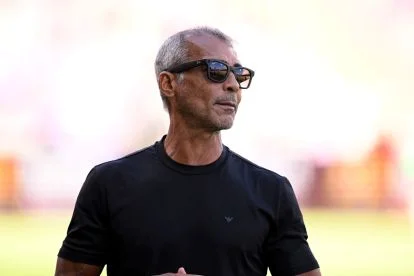
Guardiola pushed back with a pointed reminder: “How many World Cups has Brazil played? Million! You’ve lost more than you’ve won.” He said Brazilian players he has coached describe the pressure in their country as greater than anywhere else. “It’s very hard,” he told Romario. The point isn’t that past success makes current criticism unfair; it’s that history raises the standard and sharpens scrutiny. A national team coach inherits those expectations alongside the players.
Time and results shape the job
Guardiola said he has faced Ancelotti many times and has been beaten by him repeatedly. He called the Italian an “extraordinary person” and said he had no doubts about his coaching ability. Ancelotti, Guardiola argued, is adjusting to a new country and culture in a role where training time is scarce. That adjustment can affect how quickly a coach’s ideas take hold: national team managers have limited opportunities to work with players together, so the daily routines available at a club aren’t part of the job.
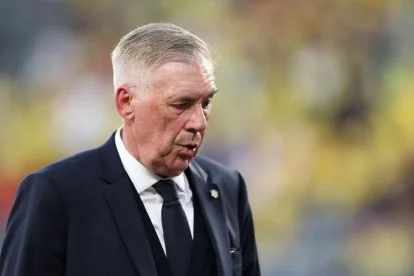
“Most of the coaches who go from a club to a national team for the first time” face that adjustment, Guardiola said. The game itself doesn’t change, but the preparation does: coaches have less time and must adapt quickly. They need to work with players who come together for stretches rather than building habits through the regular training cycle of a club. Guardiola added that Ancelotti is widely regarded as exceptionally good at managing a squad and is also tactically astute. Those qualities may help, but they can’t remove the basic limit on time together.
That endorsement came with a clear qualification. Guardiola said coaches need wins to keep their jobs, using his long spell at Manchester City as an example: “Why did I stay at Manchester City for so many years? Because we won a lot. If not, you go home.” His example makes the tension plain: patience is easier to argue for when results are arriving. For Ancelotti, patience has limits, but Guardiola’s view is that his record warrants time to settle into the national team role. The numbers here are underwhelming in one sense: there’s no formula that gives a coach more preparation time when pressure rises.
Remembering the 1994 final
The conversation also turned to the 1994 Champions League final, when Romario and Guardiola’s Barcelona lost to Fabio Capello’s Milan. Asked whether Milan were technically stronger, Guardiola said both teams were strong, though Milan stood out. He described Capello’s approach as different from Johan Cruyff’s, while calling Milan a top side. The exchange brought their discussion back from the practical limits of international management to a match they shared as players, and to the different footballing ideas that shaped that contest.
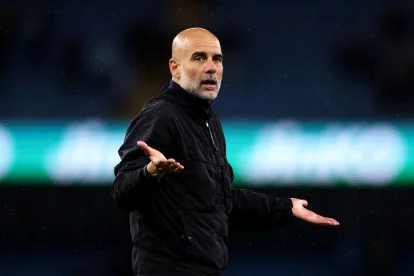
Guardiola also said he turned down an offer to coach Italy’s national team the previous summer because he needed a rest. He acknowledged that he might have accepted if the proposal had arrived at another point in his life. That detail gives his comments about Ancelotti some personal context: he’s speaking as a coach who considered the demands of the international job and chose not to take them on at that time. A national team post can carry enormous visibility, but visibility doesn’t create more hours on the training pitch.
What the debate means for Ancelotti
Guardiola’s defence doesn’t settle Romario’s complaint about Brazil’s style. It reframes the test: judge the coach’s football, but account for how little time he has to shape it and how quickly results can determine his future. This is more significant than it looks. When a team’s identity is in question, supporters and former players may want visible change; the manager, meanwhile, has to work within the short windows international football allows.
If you’re working in this space, the harder question is how to assess progress when the usual evidence of daily training isn’t available. There’s no answer in Guardiola’s remarks, and he doesn’t claim there is one. His point is narrower: Ancelotti’s record and ability deserve consideration, while the pressure on Brazil remains real. Here’s the thing: patience can be a reasonable demand, but it won’t erase the expectation that the team must win and play in a way its critics recognize. And yet, there’s only so much a coach can build between matches. That tension is the job.
Guardiola’s comments underline the trade-off facing national team coaches: limited time to build a team, with little room for a slow start. He has described why he turned down Italy and why he believes Ancelotti merits patience; Romario has made clear that results alone don’t answer his concerns. Both points can stand. The question for Brazil is whether Ancelotti can make his approach convincing within the constraints Guardiola has described.