A brief built around Juventus
Conte's reasons for joining in 2019 were simple, and that simplicity is part of the story. In a Cronache di Spogliatoio interview teased this week, he recalled Beppe Marotta and Steven Zhang making the pitch: bring the club back to winning ways, end a decade without the league title, and break Juventus's grip on Italian football. Those are three clear targets, and they're the kind a coach can measure himself against. "We want to break Juventus's dominance in Italy and impose ourselves abroad," is how Conte remembers their message.
He says the goal was clear, and he signed up for it. That matters, because Conte's current complaint isn't that he was sold a vague vision. It's that the vision moved after he'd committed to it. Coaches who join with a defined mandate tend to build their working lives around that mandate, so a change in direction is rarely a minor adjustment. "What you see is what you get with me in every situation," he said. "If we are heading in a certain direction and we've agreed on it, then that is where we must go."
Here's the thing about that quote: it reads as a statement of principle, but it also works as a warning. Conte is telling the club that he expects agreements to hold, and that he'll measure the relationship against them. (And this is the part most people overlook: a manager who insists on clarity is often the one who makes the boardroom most uncomfortable, because it's harder to move the goalposts when someone is actively reading them out loud.)
Two near misses with his old club
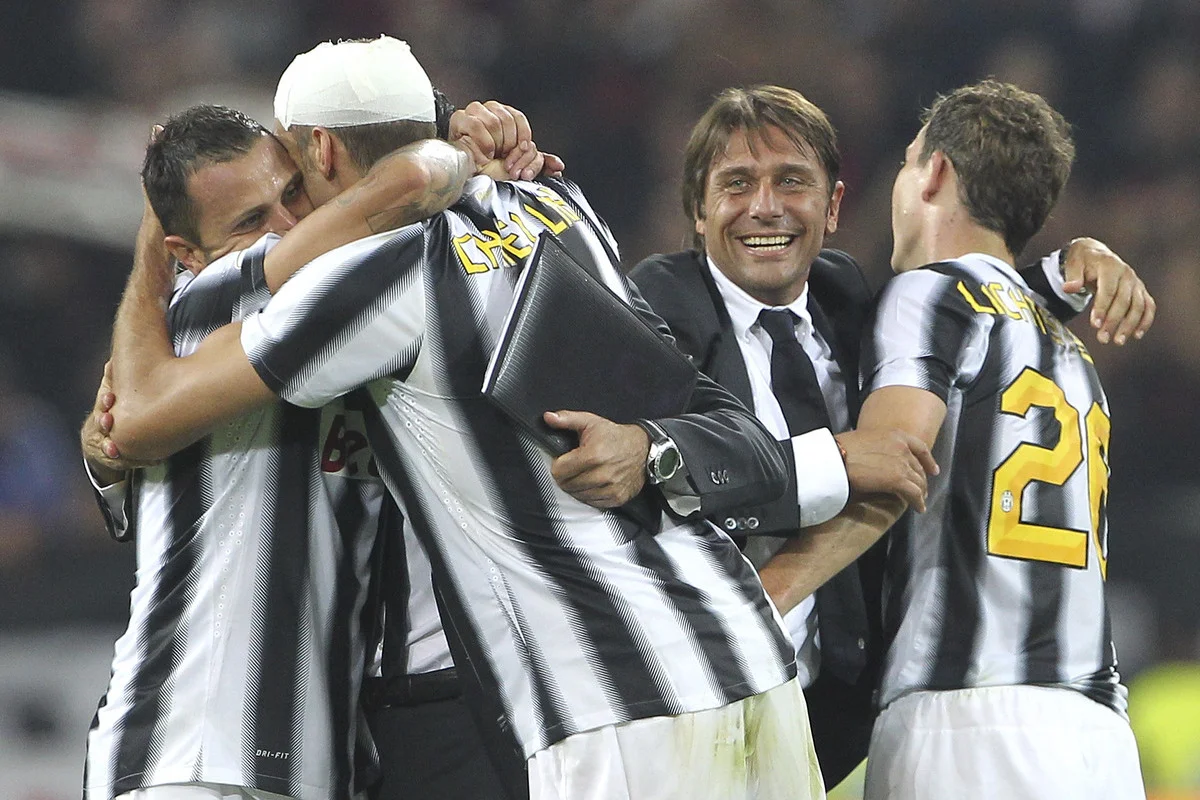
Conte has never hidden his affection for Juventus, and he's made no secret of wanting to return one day to "close the cycle." That phrase carries weight. He spent years at the club, and a return would turn a rivalry into a personal story with a neat ending. It's easy to see why the idea appeals to him, and why fans on both sides will keep asking about it.
He has been close before. Here's the thing: timing has been the obstacle every time, and not because Conte has been unwilling. "It's been difficult because two things have to align," he explained. "I have to be available and Juventus have to be looking for a coach who isn't currently employed."
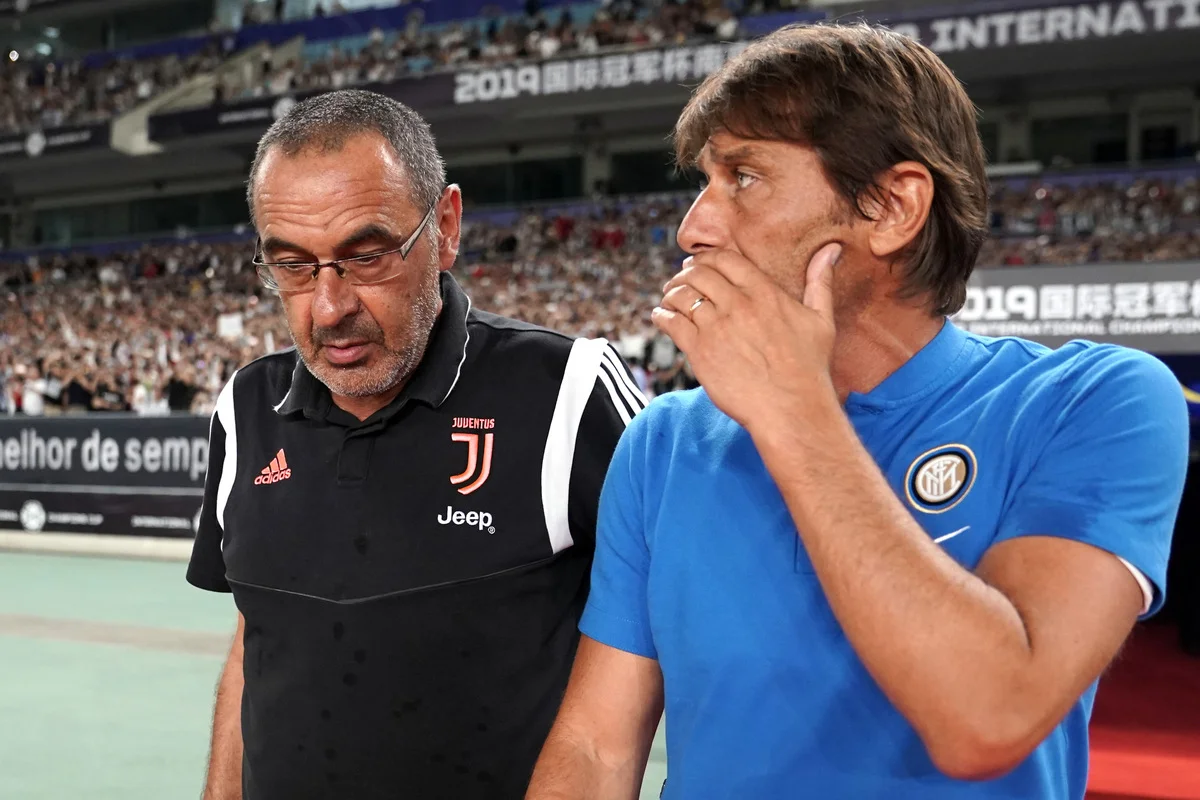
The first window came when Juventus hired Maurizio Sarri. Conte was available, and he ended up at Inter. From the outside, that looks like a coin toss that went the other way, but it's really a reminder of how little control a coach has over a club's internal choices. A job that's open one month can be filled the next, and a manager who's waiting has to make decisions without knowing whether the door will ever open. The second came when Giuntoli arrived as Juventus's new sporting figure. Conte was free again, but Giuntoli chose Motta, and Conte went to Napoli.
The summer that changed the deal
The Scudetto was supposed to be the start of something, not the finish line. Winning a league title usually buys a coach credibility and a longer runway, and that's the normal expectation after a breakthrough season. Conte says the meeting after the title win made that expectation disappear. "I left Inter because we had just won the Scudetto and we had a meeting where I was told that practically any player could be sold in the summer."
That's a jarring thing to hear after a championship. Squad planning is often built around a core that's expected to stay together, so being told that nearly anyone is available signals that the club may be thinking about money, rebuilding, or both. Neither is unusual in football. What's unusual is hearing a coach describe that message as the moment his plan started to fall apart.
The following transfer window tested that warning. Leading goalscorer Romelu Lukaku and star wing-back Achraf Hakimi both left the club. Conte's point isn't really about those two sales. It's that the plan he signed up for had quietly changed. If you're a manager in a similar position, that distinction is the one to watch: the departures are visible, but the shift in strategy is what affects your next five years.
"The agreement was different to what it was before," he said. The original idea, as he describes it, was to build up the club, dismantle Juventus's dominance, and then create a structure strong enough to compete in Europe for years. Conte says that long-term plan wasn't what he was offered once the trophy was in the cabinet. A trophy, then a sale. Not quite the plan he'd bargained for.
What this means for Inter and for Conte
I'd be careful about treating this as a settled story. So far, the account rests on Conte's version of a meeting, and the source material doesn't include a response from Inter. That doesn't make his claims false, but it does mean we're hearing one side of a disagreement that probably involved more than one conversation. And yet the pattern he describes, a clear mandate giving way to a looser one after success, is familiar enough in football that it deserves to be taken seriously.
For Inter, the risk is less about one interview and more about how the club's leadership is perceived by senior coaches. Managers talk, and a reputation for changing agreements after a title can make the next big hire harder to land. That's a general pattern in how the sport works, not a specific prediction about this club. Here's the thing, though: clubs rarely feel that cost in the moment. It shows up later, in shortlists that don't include the names they wanted.
For Conte, the question is whether this frustration becomes a lasting break or just another chapter in a long relationship with Juventus. He has spent his career moving between clubs with strong opinions about how they should be run, and he's never been shy about saying so. That said, a coach who publicly criticizes a former employer can close some doors while opening others, and the Juventus route he keeps describing depends on timing that no one controls.
The full interview is due out Friday. The question worth watching is whether Conte's frustration with Inter's leadership goes beyond that one meeting, and whether his interest in a Juventus return is still as open as he suggests. I'd bet on the first, but I'd wait for the full transcript before saying much more.