Two or three players, and a bigger question
Gianfranco Zola thinks Italy's 4-1 defeat in Belgium came down to the quality of two or three individuals. That's a small number, but at the top of international football it's often the few players who decide which side is ahead. Zola's view is that Italy is still on the wrong side of that margin. It's a clean explanation, and I'd call it a convenient one for a national team that's still rebuilding its identity.
Zola spoke to reporters at the Serie C Next Stop event on Thursday, where he gave his verdict on the Azzurri in his role as vice-president of Lega Pro. A figure from the lower tiers of Italian football commenting on the national team is slightly unusual. It's also a reasonable vantage point, since the clubs and competitions he works with are where many of the next generation's players are first tested. His remarks are as much about development as they are about this month's results.
A mixed run under Mancini
Roberto Mancini has been back in charge for six matches, and there's real encouragement in that stretch. Pio Esposito and Michael Kayode have caught the eye, and Italy took four points from two games against France, the third-ranked team in the world.
Here's the thing: six matches is a short sample, and a coach can look better or worse depending on which six you pick. Still, the mix of results and performances has been more encouraging than the table alone suggests. Taking four points from two games against France is the kind of return that shows a team can compete with the strongest sides, not just collect points against weaker opposition. Esposito and Kayode standing out suggests the squad has more options than it's sometimes given credit for. (That's the part most people skip when they judge a national team by one bad night.)
The group stage still ended badly. Italy lost 4-1 away to Belgium on the final day and dropped from first place to third in the group. The defeat wiped out much of the goodwill from the rest of the campaign.
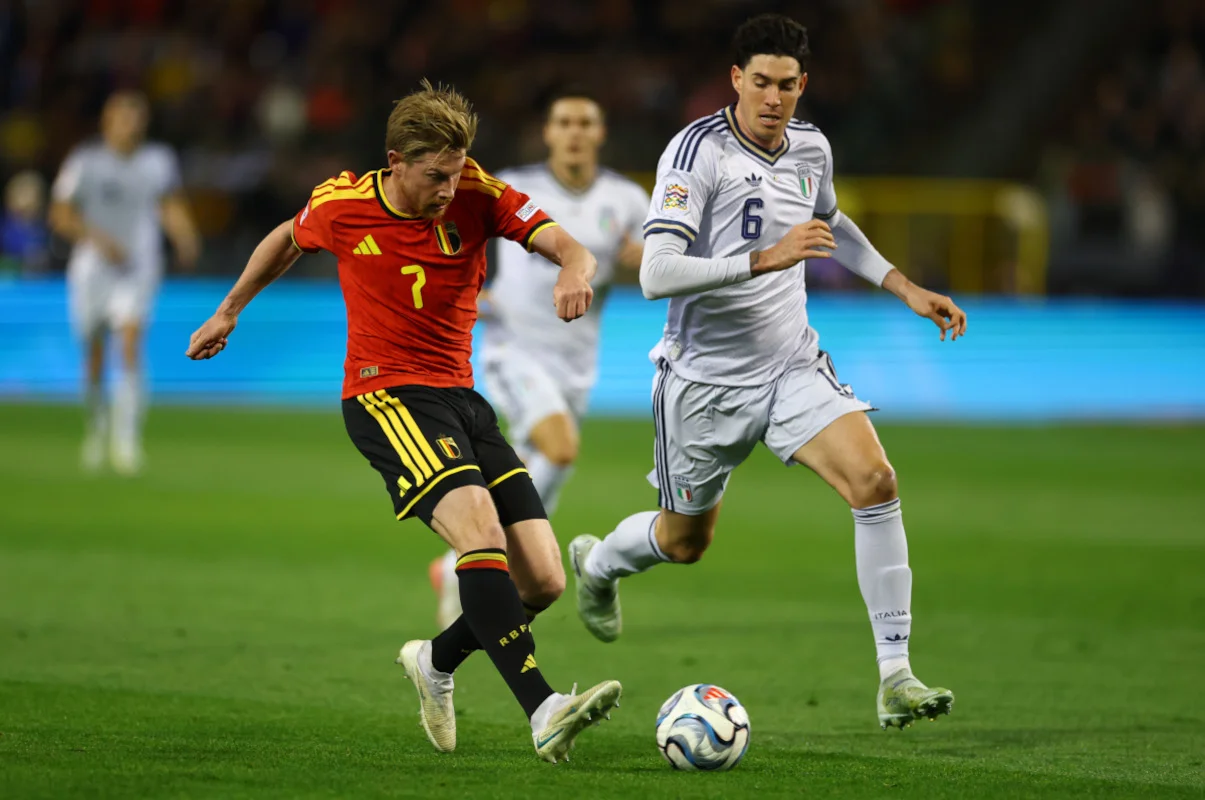
Italy did collect 10 points from its last five matches, but it lost to Belgium both home and away in the first and last games of the group. That's the result that stings, and it's hard to argue it was a fluke. Ten points from five games is respectable, and it's the sort of return that can hide a problem if you only look at totals. Two meetings with the same opponent is a fair sample, and it isn't flattering. The pattern suggests a gap that showed up twice rather than one bad afternoon.
Zola's read on the gap
Zola doesn't think the answer is a quick fix. He sees the gap as one of individual quality, and he expects it to take time and patience to produce and develop players at that level. Quick fixes are tempting in international football, where fixtures arrive in short bursts and every window feels like a verdict. Player development at the top tends to run on a much longer clock, which is why changing a tactic or a starting eleven rarely closes a quality gap on its own.
Zola was candid about where things stand. "Aside from the last match, which was painful, you can see something is starting to come through: Good performances, interesting young players who can grow in this set-up, but there is also an awareness that there are other teams that are ahead of us in terms of quality," said Zola (via TMW). That's a measured line, and I think it's the most honest part of the whole interview. He's praising progress and conceding the table in the same breath.
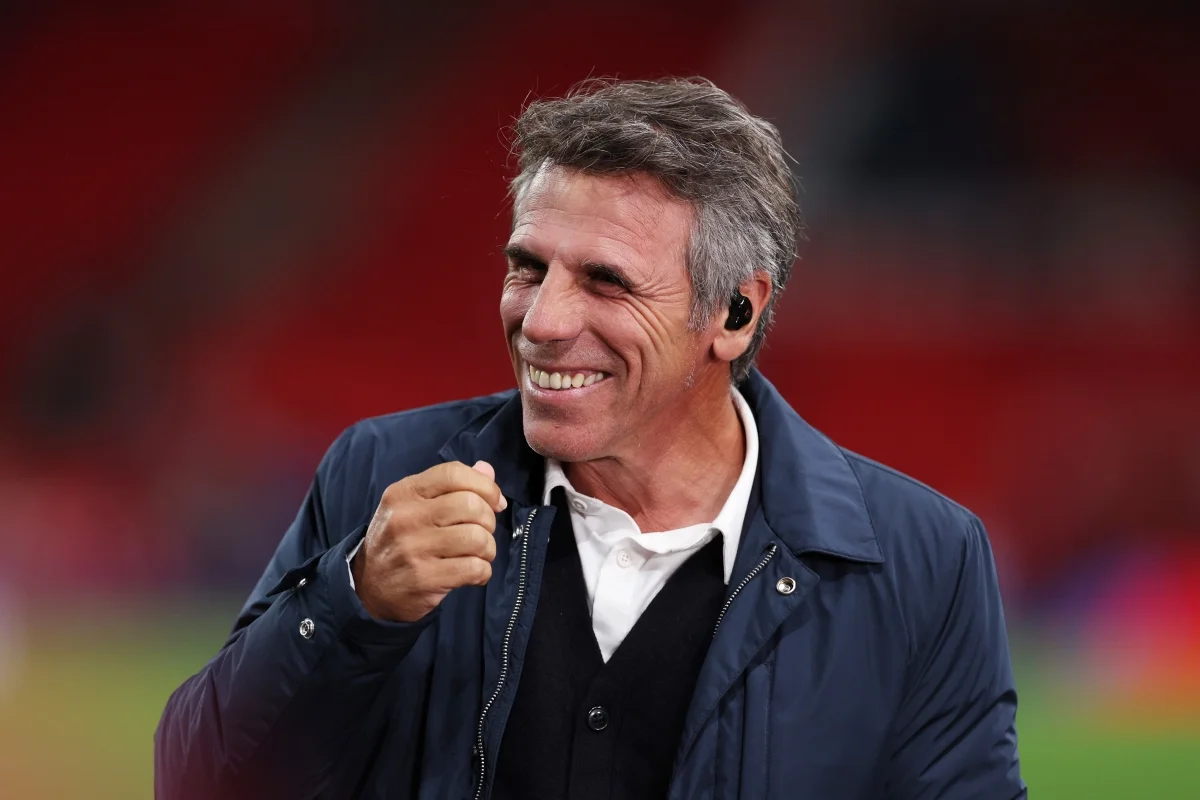
He returned to the point in a second remark. "We're competitive, yes, but there's still a lot of work to be done to produce players who really stand out. The difference against Belgium, after all, came down to two or three players, but the difference in quality hurt us a lot." The repetition of the "two or three players" framing matters, because it shows the argument is about the pipeline, not about a single tactical error. Whether you accept that depends on how much weight you give to results against the very best sides.
The short-term takeaway is that Italy has credible players and a reasonable form line. The longer task is turning those young talents into players who can decide a match on their own, and that's slower work than any results table will show. Young players can look promising for a season and still stall if they don't get regular minutes at a high level. That's a general pattern in football rather than a specific claim about this squad, but it's the test Italy will face.
What this means going forward
So where does this leave Italy? The honest answer is that the picture is mixed, and it's easy to pick whichever half you prefer. The encouraging reading points to a team with new faces, a coach who has had a few matches to shape them, and a clear run of points against strong opposition. The skeptical reading points to two defeats against one of the same rivals and a group finish that dropped from first to third.
I lean toward the skeptical side, but not because the young players aren't promising. Promise is cheap in football, and every national team has a few names that look special in one tournament. The question is whether those players keep improving when the opposition gets better and the margins shrink. Zola's framing suggests he thinks that's the real work ahead, and it's hard to argue with that view.
If you're following Italy closely, the next few matches will tell you more than the last one did. Watch whether the same players keep standing out against different opponents, and whether the team handles big games without the same collapse that defined the Belgium fixtures. That's a more useful measure than any single scoreline, and it's the one that will decide whether Zola's "two or three players" argument still holds a year from now.