Cristian Chivu’s first full season coaching a senior men’s side brought Inter both the Serie A title and the Coppa Italia. The 2025-26 Panchina d’Oro adds individual recognition to that team success and puts him among the league’s leading coaches. He’s quick, though, to share the credit and keep expectations in check. That balance may say as much about his approach as the trophies do: Chivu is accepting the distinction while resisting the idea that one successful season settles what comes next.
Peer recognition after a trophy-winning season
Presented at Coverciano on Monday, the annual award has recognized Serie A’s best coach since the 1990-91 season. Chivu is the third non-Italian winner and the first since José Mourinho claimed it in 2009-10. The award’s history gives the result extra resonance, but its meaning is also specific: fellow coaches have recognized the work behind Inter’s league and cup campaign.
“Recognition from my peers means twice as much, it’s impossible to not feel moved by it,” Chivu said at the ceremony. He thanked those who had praised the team’s season and pointed to the players as the ones who turned the coaching staff’s ideas into results. That’s a familiar division of credit in football, but it’s also a useful reminder of what a coach can and can’t control. Plans only matter when the squad carries them onto the pitch.
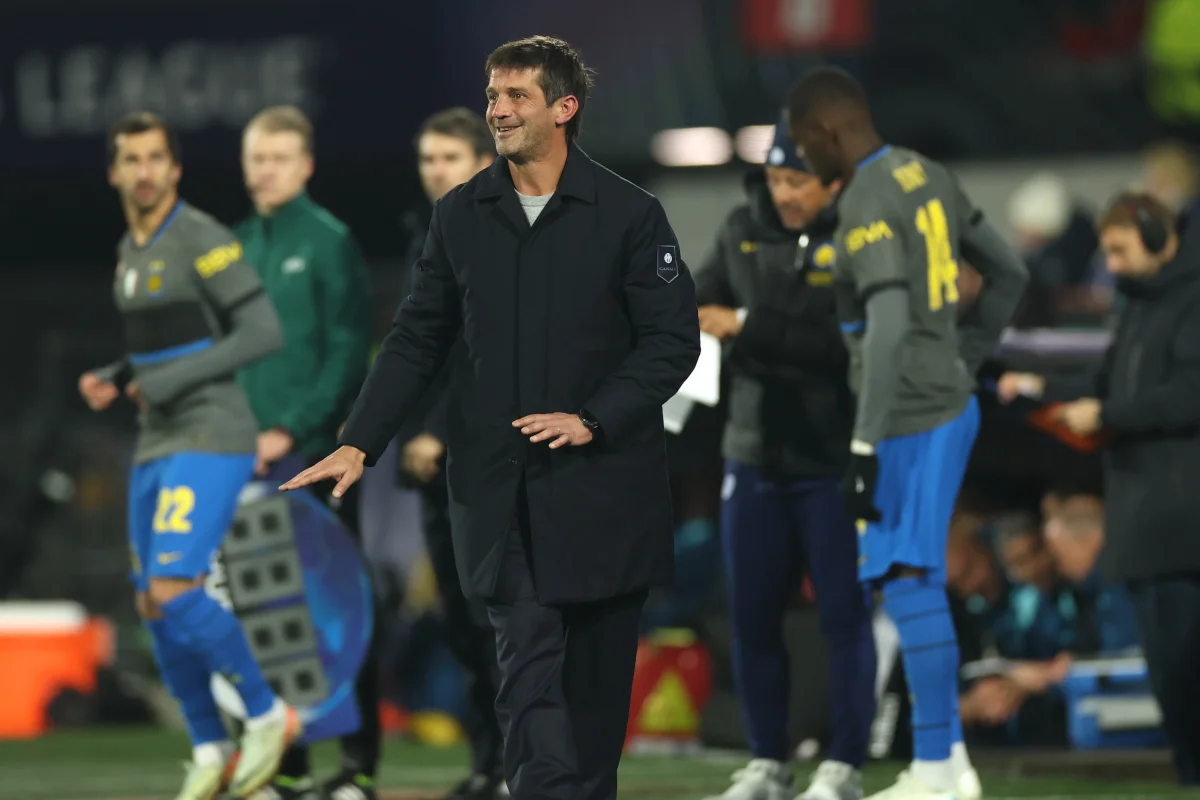
Chivu also credited Inter for trusting him with significant responsibility and praised the players’ work over recent years. His comments place the title-winning season within a longer effort, rather than presenting it as a sudden achievement produced by one appointment. He said he aims to uphold a high standard for the club and Italian football. That ambition carries weight after a trophy season, because a new coach’s first challenge can be proving the results weren’t a one-off.
Chivu draws a line under Mourinho comparisons
Mourinho’s status as the last non-Italian winner inevitably invites comparison with his former coach, who led Inter to a treble. Chivu waved it away with a mix of respect and embarrassment. The parallel is understandable: both are linked to Inter, and Mourinho’s success gives the comparison an obvious historical reference point. It’s also a demanding standard to attach to a coach at the start of his senior career.
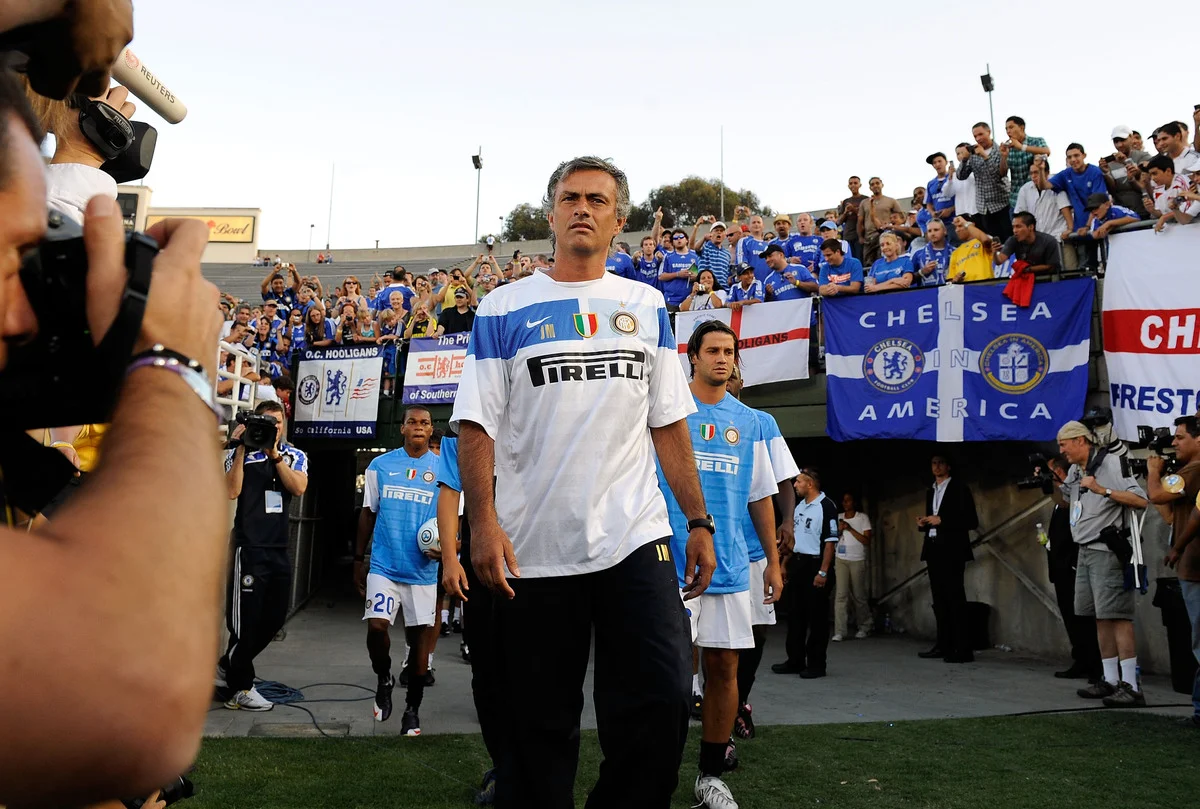
“Being compared to Mourinho is too much, you’re making me embarrassed! He’s a legend and I have only just begun,” he said. Chivu described this as only his second year in the professional ranks and said he’d be happy to win even a fraction of what Mourinho has achieved. The remark is more than modesty: it sets a boundary around what one season can establish. Mourinho’s record belongs to a long career; Chivu’s, by his own account, is still taking shape.
Inter’s next test: consistency under pressure
Inter have been labelled favourites to retain the Serie A title in 2026-27, a tag Chivu doesn’t welcome. His focus is on continuing the team’s work, getting results and sustaining consistency across a long season. Being favourites can turn every dropped point into a verdict on the previous campaign, even when a title race is shaped by a string of small decisions and performances. Chivu’s reluctance to embrace the label suggests he’d rather keep attention on the work than on a prediction.
“The margin for error is razor-thin,” he said, warning that one defeat can feel like a tragedy while a pair of wins can quickly lift the mood. His message to the club is to keep perspective and balance. Here’s the thing: that balance is part of the job, too. Results can swing confidence quickly, and a coach has to keep the group focused through both setbacks and praise (and this is the part most people overlook). Not glamorous. But necessary.
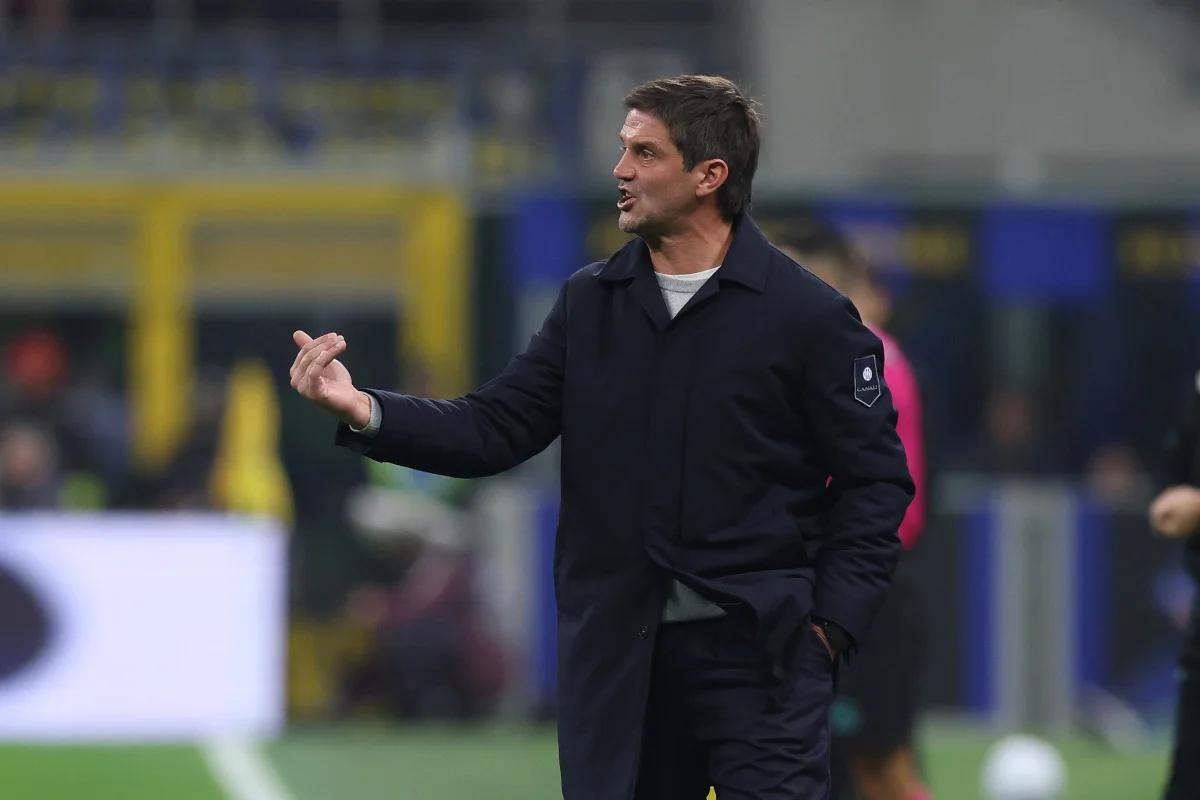
Inter’s next match is against Atalanta on Sunday, with kickoff at 19.45 GMT. Chivu wants his side to carry its recent form into a busy schedule through December 22, combining clean sheets and results with aggression, quality and sound decisions. Those aims point to the practical demands ahead: defensive discipline has to coexist with the initiative expected of a leading side, and good intentions need to hold up as fixtures accumulate. If you’re working in this space, the challenge is familiar: repeat the habits that produced success while adapting to the immediate opponent and the demands of the schedule.
What the award says about the season ahead
The Panchina d’Oro is a milestone, but it doesn’t answer the harder question facing Chivu: whether Inter can reproduce their level over another long campaign. The title and Coppa Italia show what the team achieved; the award recognizes the coach’s part in that work. Neither removes the pressure that comes with being expected to win again. That said, Chivu’s emphasis on the players and on consistency offers a grounded way to approach that pressure.
For now, the most telling measure won’t be the comparisons with Mourinho or the status attached to the award. It’ll be whether Inter can keep their balance when results shift and the schedule tightens. Chivu has made clear that he sees the season as collective work, and his immediate test is to keep that work steady through the fixture run.