Carlo Ancelotti’s response to Romario’s demand that Brazil dismiss him was brief: the former striker is entitled to his opinion, and “Romario talks a lot. A lot.” The remark landed as pressure builds on Ancelotti after Brazil’s 3-2 friendly defeat to Japan in Singapore. It was a sharp exchange, but the underlying dispute is more serious than a clash of personalities: Romario is questioning whether Ancelotti’s reputation in club football has translated to the national team.
Romario urges Brazil to make a change
Romario, one of Brazil’s most prominent former players, called on CBF president Samir Xaud to remove Ancelotti. In a post on Instagram, he acknowledged the coach’s record at club level but argued that his work with the national team hadn’t met expectations. That distinction is central to his criticism: a celebrated résumé can establish credibility, but it doesn’t settle whether a coach is succeeding in a different job with different demands.
“Ancelotti, it’s done! Take your things and go,” Romario wrote. He added: “Nobody is questioning your history. You’re one of the greatest coaches the world has ever seen, but that was in club football. With the Brazil national team, so far, things haven’t been the same. We can’t take it much longer.” The wording leaves little room for a gradual response. Romario is asking for a change in leadership, not simply more time or a public explanation.
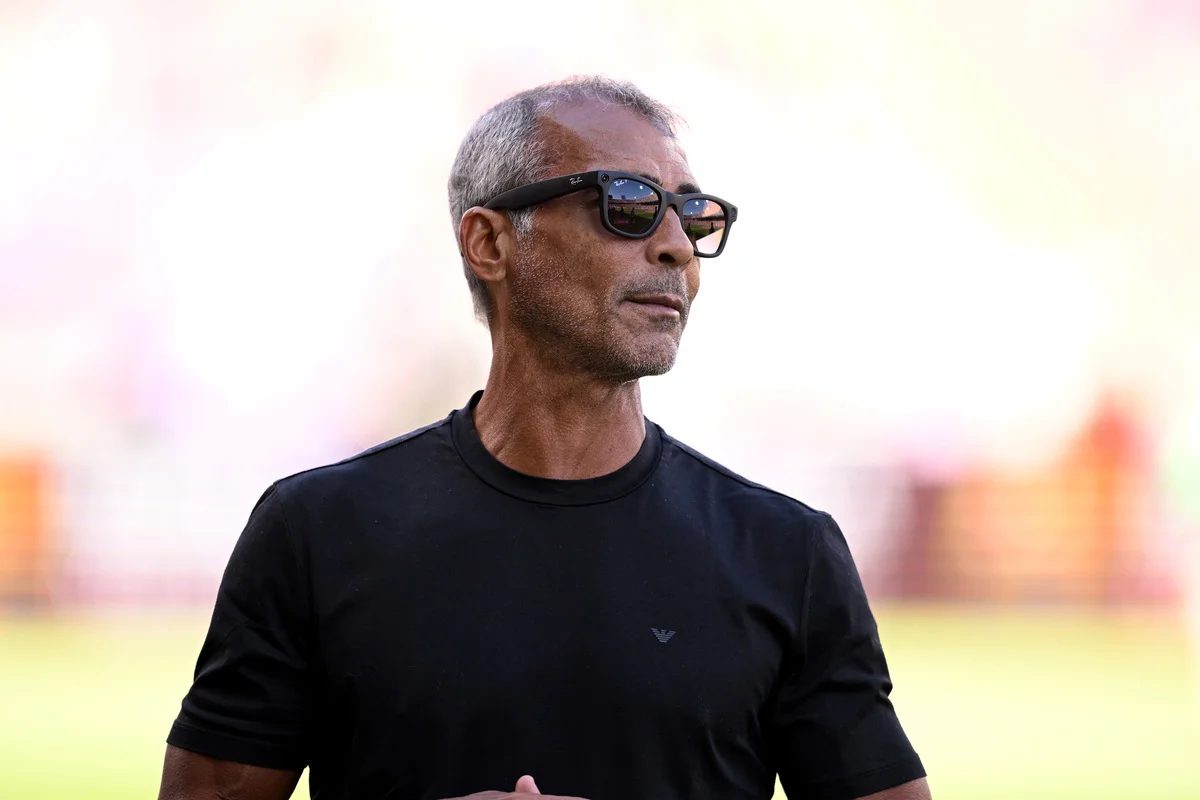
Romario directed a further appeal to Xaud, saying the president should show “the courage to make a decision.” That puts the issue in the hands of the federation as well as the coach: Ancelotti can answer questions about his approach, but the authority to act rests with Brazil’s leadership. Ancelotti was asked about the criticism at a pre-match press conference ahead of Brazil’s next game against Singapore, scheduled for Tuesday at 10:00 GMT.
Ancelotti says criticism is part of the job
The coach framed Romario’s comments as a matter of free expression. “In a democratic country with freedom of speech, everyone is allowed to express their opinion,” he said. The reply acknowledges the right to criticize while avoiding a detailed defense of his results or a point-by-point response to Romario’s demands.
He went on to say Romario could be telling the truth, lying or talking “nonsense,” and that judging the accuracy of his remarks wasn’t his responsibility. Then came the pointed aside: “The truth is that Romario talks a lot. A lot. It’s his right.” The line is dry, but it also shifts attention from the substance of the criticism to the critic’s habit of speaking. (And this is the part most people overlook.) A coach under scrutiny can choose not to engage with every public intervention, but the team’s performances still leave the central question open.
Results keep the debate alive
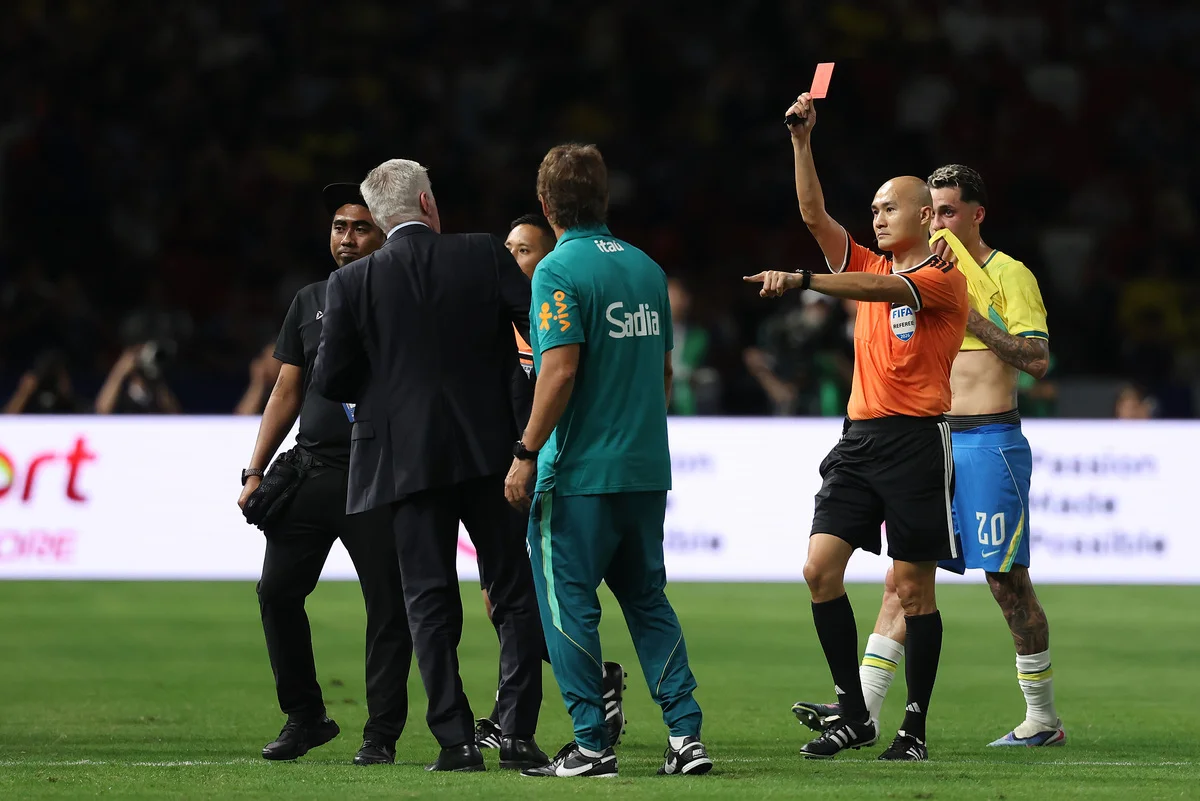
Brazil’s recent results have sharpened scrutiny of Ancelotti’s tenure. The team also exited the 2026 World Cup in the round of 16 against Norway, and the loss to Japan has given critics fresh grounds to question the direction of the national side. One defeat can’t, by itself, explain a team’s broader performance, but it gives existing doubts a new focal point—especially when the criticism is already framed as a failure to meet expectations.
This is more significant than it looks. Romario’s intervention gives a prominent former player a clear public position, while the defeat supplies an immediate sporting context for it. Neither settles whether Ancelotti should stay. Together, though, they make it harder for the federation and coach to treat the debate as a passing exchange of opinions.
Singapore offers an immediate test
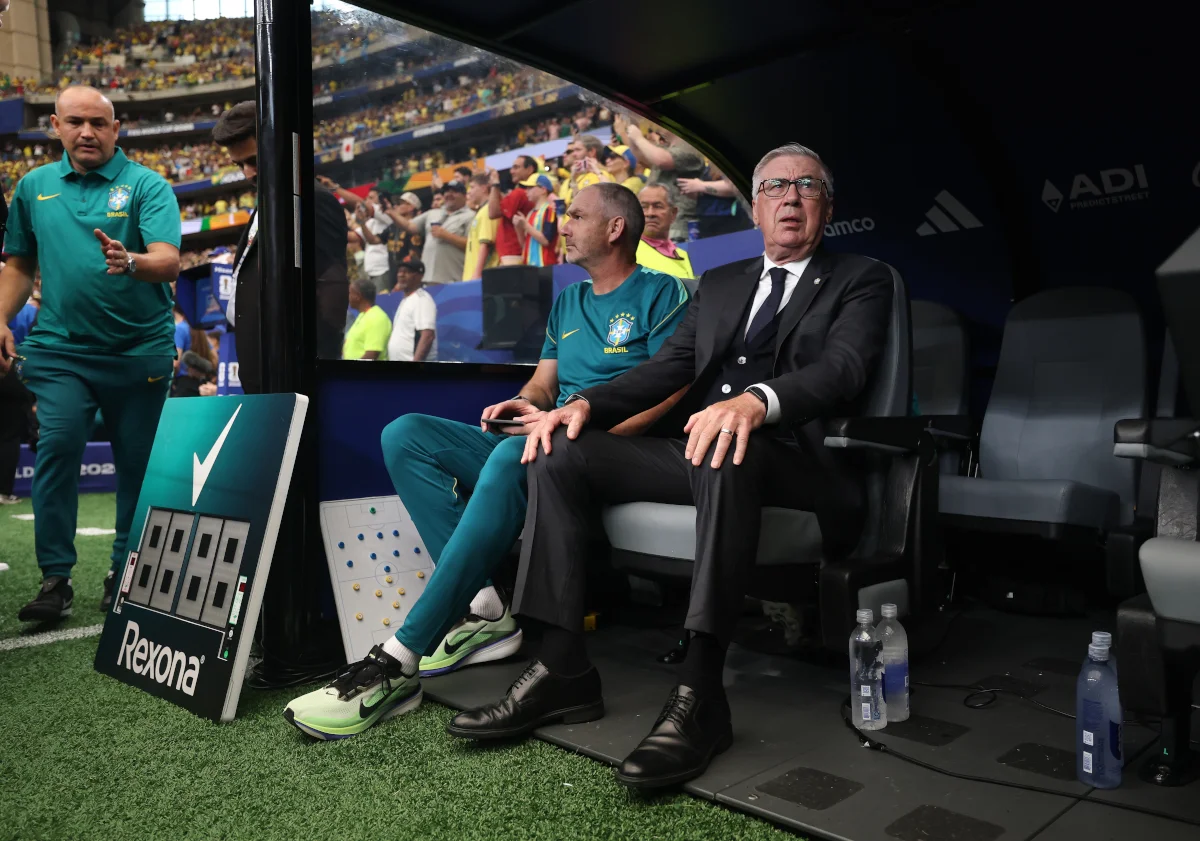
For now, Ancelotti’s answer suggests he’ll let the results carry more weight than the rhetoric. Brazil’s next match against Singapore offers an immediate chance to shift the conversation back to the pitch. A response there could ease the immediate focus on the Japan defeat, though it wouldn’t erase the questions raised by the team’s wider record.
If you’re working in this space, the practical signal is the gap between public criticism and decisions inside the federation. Romario has made his view plain, and Ancelotti has declined to treat it as a verdict. The next result will shape the discussion, but the longer test is whether Brazil’s performances give supporters and officials a reason to believe the current direction is working. For now, the argument remains unresolved. A match to play.