Massimiliano Alvini’s Panchina d’Argento recognizes more than Frosinone’s promotion from Serie B. It also puts a coach who backs young Italian players at the center of a familiar debate: whether the country’s talent pipeline lacks prospects, or whether young players need more chances to prove themselves. Alvini’s view is direct. Italy has promising players, he says, and their development depends on opportunity, discipline and the willingness to keep improving.
Peer recognition for Frosinone’s rise
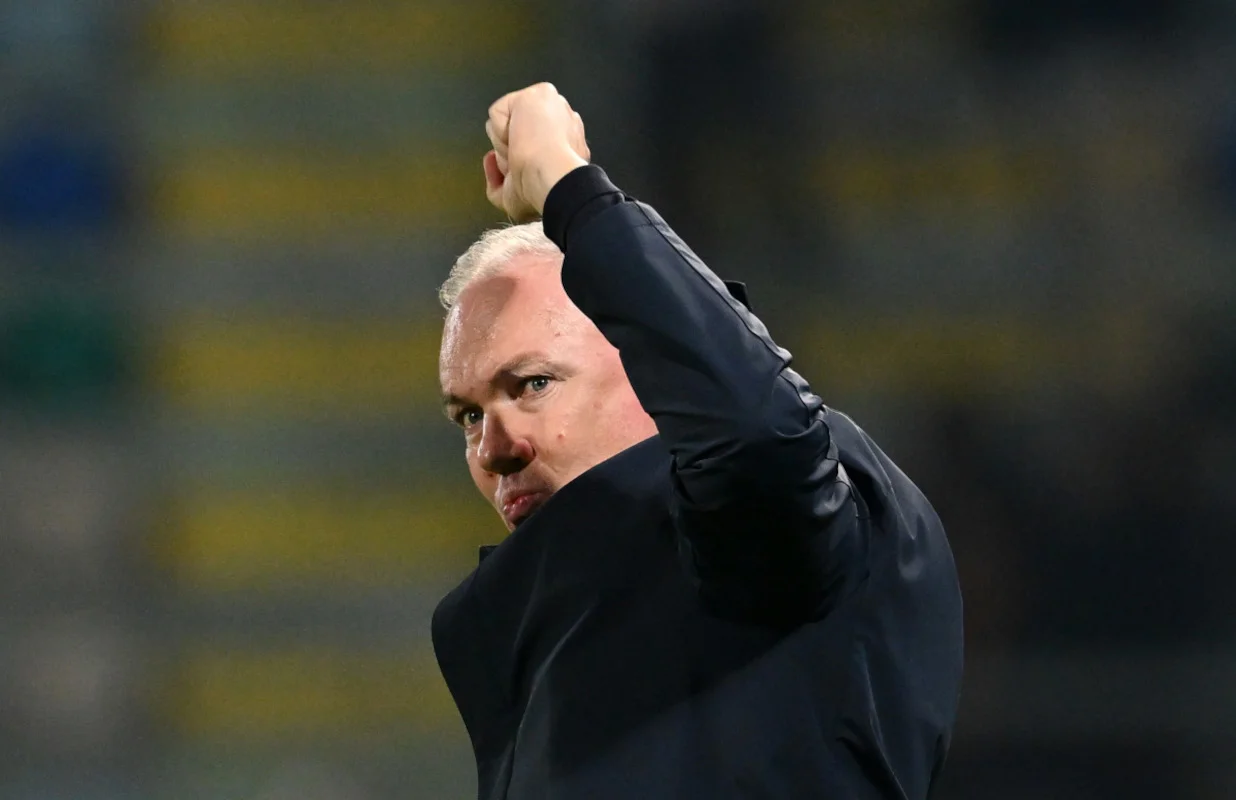
Alvini received the 2025-26 Panchina d’Argento at Coverciano on Monday. Voted on by fellow coaches, the award honors the best coach in Serie B, making it a peer judgment of the work behind Frosinone’s rise. The club earned automatic promotion after spending two seasons in the division, a result that gives the award a clear sporting context: the team turned a sustained campaign into a place in Serie A.
“It’s a nice form of recognition, especially coming from my peers,” Alvini said. He described Frosinone’s start as unexpected, but framed the award as an early milestone rather than a finish line. “It’s only the beginning, we have to keep moving forwards.” That qualification matters. Promotion is a major achievement, but it also changes the demands on a club; the next task is to show that the team can adapt to a higher level.
Survival remains the Serie A priority
Frosinone’s ambitions have shifted with promotion, but Alvini says the immediate target is clear: stay in Serie A. The team is sixth, above Juventus and four points from the Champions League places, yet he considers talk of bigger goals premature. A strong position can invite speculation, but a newly promoted side still has to establish itself across the season rather than treat one snapshot in the standings as proof of what it can sustain.
“Our primary objective is survival,” he said. Only after securing that can the club build a stronger base and consider what might come next. For now, he believes that focusing on anything else would distract from the task. It’s a restrained message, and a practical one: survival gives Frosinone time to consolidate its place in the division before setting a more ambitious course.
Frosinone’s next test after the international break is an away match against Milan at San Siro. Alvini intends to keep his side’s approach intact against a team he described as strong and full of high-quality players. “We have to play our own game, while not disrespecting our opponents, and try to dictate the play,” he said. That balance is harder to sustain away from home against an established opponent, but it shows how he wants Frosinone to compete: with an identity of its own, rather than by simply reacting to the other side.
Alvini backs Italy’s young players
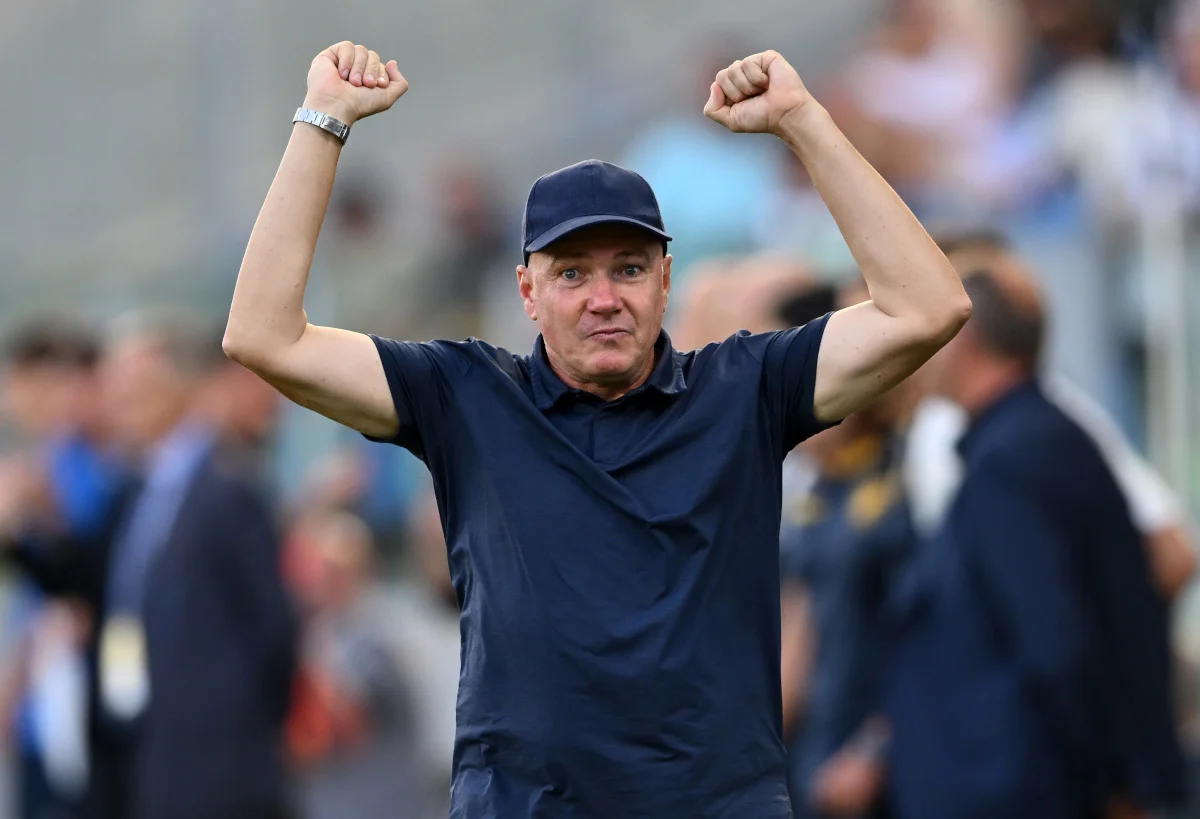
Alvini has also drawn attention for giving young Italian players opportunities at Frosinone. He sees a deep pool of talent, with progress depending on each player’s appetite for hard work and steady improvement. His argument shifts the discussion from whether prospects exist to what helps them turn promise into senior-level contribution: regular opportunities and a commitment to developing their game.
“There are lots of them with bright futures,” he said. “The key is for these young players to have the desire to improve and work hard day in, day out.” He pushed back against claims that Italian football lacks prospects: “Let’s stop saying that Italian football lacks talent, it absolutely does not.” The point is forceful, though it leaves a harder question open: talent still needs a route into meaningful competition, and belief alone can’t provide it.
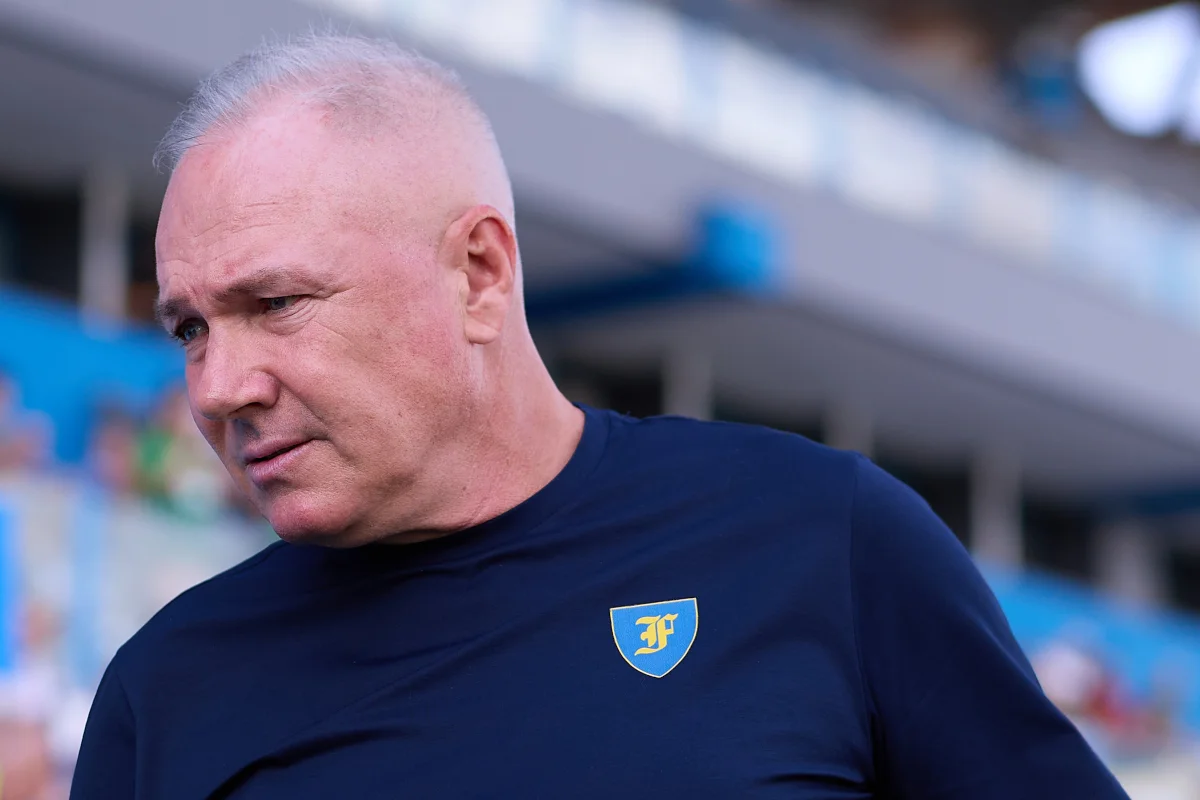
His message aligns with the work he is doing at Frosinone: promotion has opened a new challenge, while developing players and building for the future remain part of the club’s longer journey. The award gives that work recognition, but the test will be what follows—in the results, and in the opportunities young players actually receive.
What Frosinone’s next step could show
This is more significant than it looks. For a club adjusting to Serie A, survival and player development can reinforce each other: a clear playing approach may create room for young players, while a stronger squad can help the team meet the demands of the division. There’s no guarantee the two aims will always align, especially when immediate results matter. Alvini’s comments suggest he sees them as parts of the same project.
If you’re working in this space, the question to watch is whether Frosinone can turn its stated priorities into consistent choices under pressure. The San Siro test offers an early measure of the team’s approach, while the longer challenge is maintaining that identity over time. A promotion award marks what the club has achieved. The next season will show how much of that work can travel with it.