
Barcelona’s January trade-off
Barcelona’s January choices could turn on a familiar trade-off: preserve squad depth for the run-in or sell players whose roles have shrunk under Hansi Flick. Four names stand out, though their prospects differ sharply. A player’s reduced minutes can point to a changing place in the manager’s plans, but that alone doesn’t settle whether a mid-season sale makes sense.
The winter window opens in six weeks. While it rarely matches the scale of summer business, January moves have grown more significant, and Barcelona may consider both reinforcements and departures before the season’s final stretch. The timing matters: a sale might create room or funds, yet it can also leave Flick with fewer options at the point when injuries and fixture demands become harder to absorb.
Alejandro Balde

Balde’s 125 minutes this season point to a diminished role, and Flick appears to have settled on his preferred options. Even if Joao Cancelo eventually returns to right-back, the left-back’s place in the manager’s plans looks uncertain. Minutes are only one part of the picture, but so few appearances make it difficult to argue that Balde is currently central to the rotation.
That’s a striking shift for a player once difficult to imagine outside Barcelona’s starting XI. The case for a January exit rests on his limited playing time and reported interest from clubs in Italy and the Premier League. Offers are said to be available, giving the club a chance to turn that interest into a sale. The question is whether Barcelona sees those offers as a chance to resolve a squad issue or whether it would rather keep a specialist option available for the months ahead.
Ronald Araujo
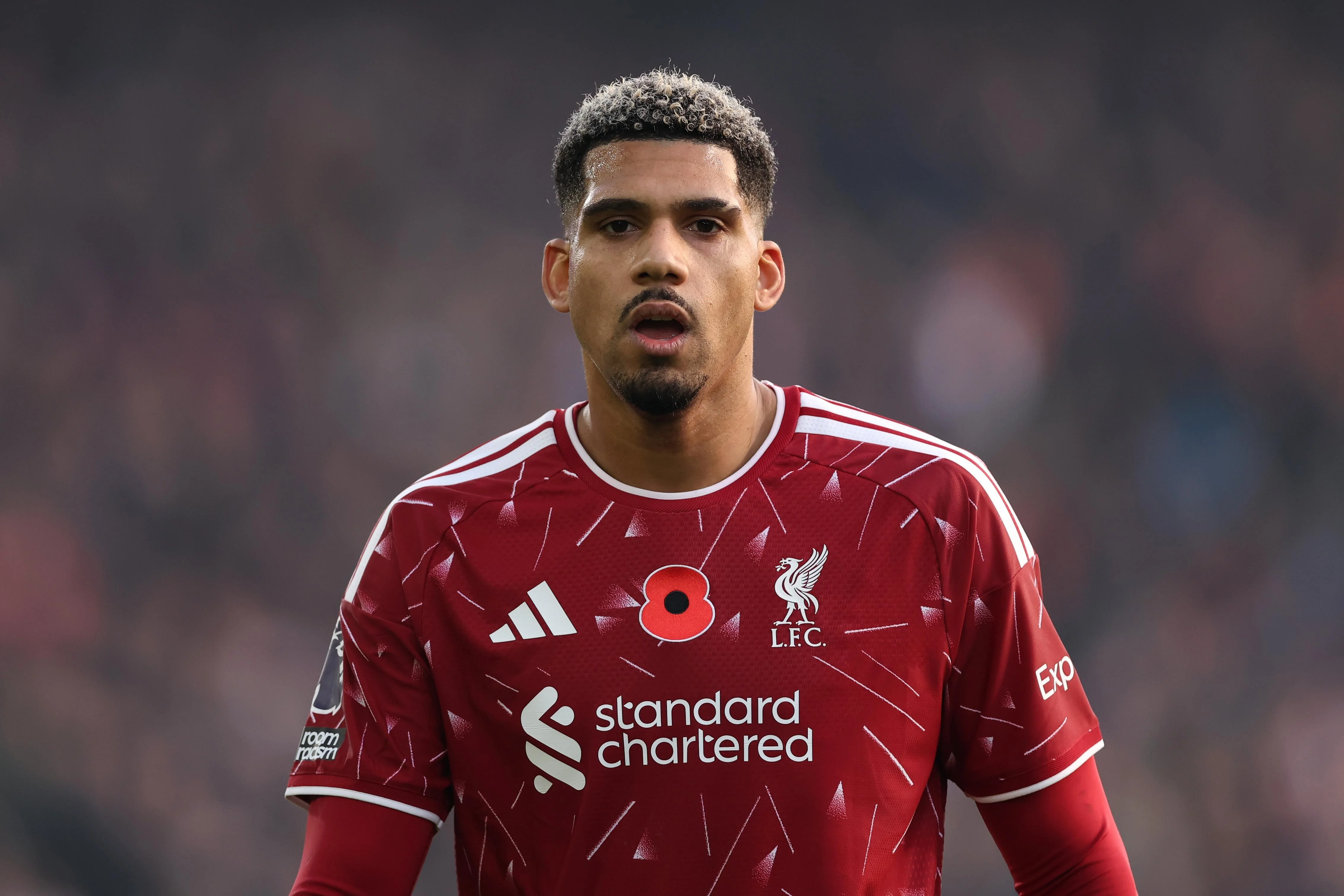
Araujo’s future appears to be the clearest financial opportunity of the four. He has settled at Liverpool, where he is already regarded as a cult hero, and a reported €55 million could be enough to secure a permanent transfer before the summer. His situation differs from those of Balde and Kounde: the question here is less about recovering a place in Flick’s plans and more about whether Barcelona should turn a player’s new standing elsewhere into a major fee.
That fee would give Barcelona money to redirect toward the squad. There’s a sporting cost, too: Araujo once looked like a potential captain capable of leading the club toward another Champions League title. Selling him now would close that chapter earlier than many supporters might have expected. A transfer can look persuasive on a balance sheet and still leave a gap in the team’s identity and defensive options. This is more significant than it looks.
Jules Kounde

Kounde has also slipped down the pecking order. His Copa del Rey final winner against Real Madrid now feels distant, while the Frenchman has acknowledged that his form last season was “well below his standards.” A past decisive moment still matters to his standing with supporters, but it can’t answer the present question: whether his performances and role fit what Flick needs from him now.
Injuries have played a part, but the concerns described around his current form are more persistent: opponents have beaten him for pace in wide areas, and his defending has looked too passive. Flick has reportedly been willing to give Xavi Espart and Brian Farinas opportunities instead, adding to the uncertainty around Kounde’s role. That’s a difficult combination for any established player: disrupted availability, doubts about current performance, and younger options pressing for minutes. Even so, the club would need to weigh the value of a sale against the cost of thinning its choices across the back line.
Dani Olmo

Olmo is the least likely of the four to leave mid-season, but persistent reports of Bayern Munich interest keep the possibility in play. His contract runs until 2030, so Barcelona have no immediate need to sell. That longer commitment gives the club time to assess his fit, although it doesn’t remove the practical question of what a sizeable offer might mean for its plans.
Squad depth complicates the calculation: should Frenkie de Jong suffer another injury, losing Olmo could leave Flick short of options. (And this is the part most people overlook.) A player’s value can be greater than his place in the starting lineup when he gives a manager another way to cover an absence. At the same time, a reported €60 million valuation may prompt the club to consider a sale. Olmo hasn’t consistently delivered on his promise, but his departure would still carry a clear cost in depth.
What Barcelona’s choices signal
The four cases point to different calculations: Balde and Kounde need a route back into Flick’s plans, Araujo could command a substantial fee, and Olmo’s value to the squad may depend on fitness elsewhere. Barcelona’s January activity will hinge on which balance matters most as the season enters its decisive months. There’s no single rule for these decisions; each player brings a different mix of playing time, reported interest, potential income, and value to the rotation.
For Barcelona, the challenge is to distinguish a genuine surplus from a player whose role could become more useful as the season develops. January offers less time to replace a departure and leaves fewer opportunities to judge how the squad copes without that player. If you’re working in this space, the signal to watch is the club’s willingness to accept short-term uncertainty in exchange for a clearer role structure or funds for other needs. A sale may look neat on paper. The sporting consequences are harder to tidy away.
That said, retaining every player has a cost of its own if roles remain limited and expectations go unmet. The most persuasive decision will be the one that accounts for both sides: what Barcelona could gain from a transfer, and what Flick would lose when he needs another option. Four players. Four different calculations.