Igli Tare didn't soften his verdict on Rafael Leao. Speaking after Milan dismissed him in May, the former director said football had stopped being the winger's first priority well before his move to Galatasaray.
Tare was at the club for the 2025/26 campaign. He left along with coach Max Allegri, CEO Giorgio Furlani and director Geoffrey Moncada after Milan failed to secure a Champions League place. By then, Leao's exit looked close. His contract ran until June 2028, and the Rossoneri weren't prepared to match what he wanted in wages.
What Tare thinks went wrong with Leao
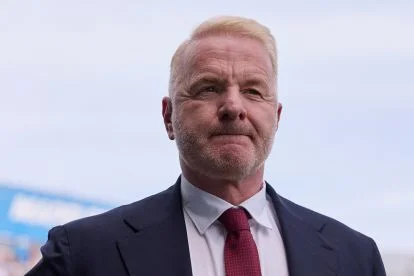
“I had only known of Leao from the outside, but when I got the opportunity to get to know him in person, I thought he was an extraordinary guy,” Tare told the Sky Sport Italia Calcio Unplugged podcast.
“I really cared for him very much as a person. However, he was the player we all expected more from. I think football was no longer a priority for him. That’s how to read the situation.”
Leao has kept a second career going alongside his playing days, releasing a rap album last year. Tare didn't frame that as a betrayal, but he didn't let it pass either.
“I think he was focused more on his life outside of football, so music, fashion, things like that. I never doubted his love for Milan, you could tell he suffered at not performing consistently, he had a lot of fitness problems, so always had the handbrake on.
“I tried to have more individual meetings with him than any other Milan player, and every time I got the sense he wanted to do more. But wanting to is sometimes not enough.”
That's a damning picture for a player who was supposed to be a centrepiece. It also explains why the market was so slow. Milan took a long time to find a buyer and eventually settled for Galatasaray late in the window. Tare's answer on whether a sale could have happened earlier was blunt.
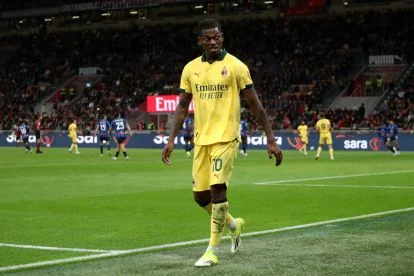
“No concrete offers ever arrived for him,” Tare said.
A summer rethink that ran out of time
The Leao saga was only part of a messy 2025 window. Allegri pushed for a change of system, and Tare admits the club moved too late to do it cleanly.
“It was difficult for us because we decided to change system five days before the end of the transfer window,” the former director of sport explained.
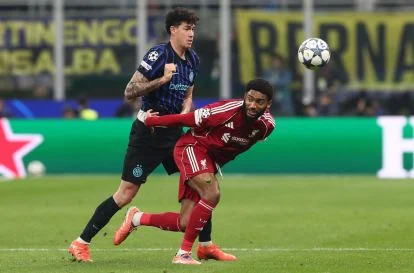
“Going from a 4-3-3 to a three-man defence made it hard for us to find someone of that level in five days.
“We were a bit unlucky, first because Manuel Akanji went to Inter as we weren’t in the Champions League, then we had an agreement with Liverpool for Joe Gomez. However, when Marc Guehi’s move from Crystal Palace to Liverpool collapsed at the last minute, Liverpool pulled out.
“We had been waiting only for that move for us to sign the paperwork. In order to avoid being without centre-backs, we signed Odogu at the last minute as a signing for the future.”
That chain of events is the real story here. Milan's defensive plans depended on a sequence of dominoes, and when Akanji left and Liverpool backed out, the club was left scrambling. Odogu's arrival solved the immediate problem, but it's a reminder that a rushed system change with a thin shortlist carries real risk. Leao's exit and the Gomez collapse came from the same underlying issue: a squad planned around hope rather than contingencies.