A gradual return at Chelsea
Marco Palestra is back in Italy’s squad after injury, carrying the disappointment of the World Cup play-off defeat to Bosnia and Herzegovina into a new international window. His focus now is on regaining momentum at Chelsea and helping Italy write a different chapter. Those aims are linked: minutes at club level should give him a firmer platform for his return to the national team, though he’s still early in his Chelsea career.
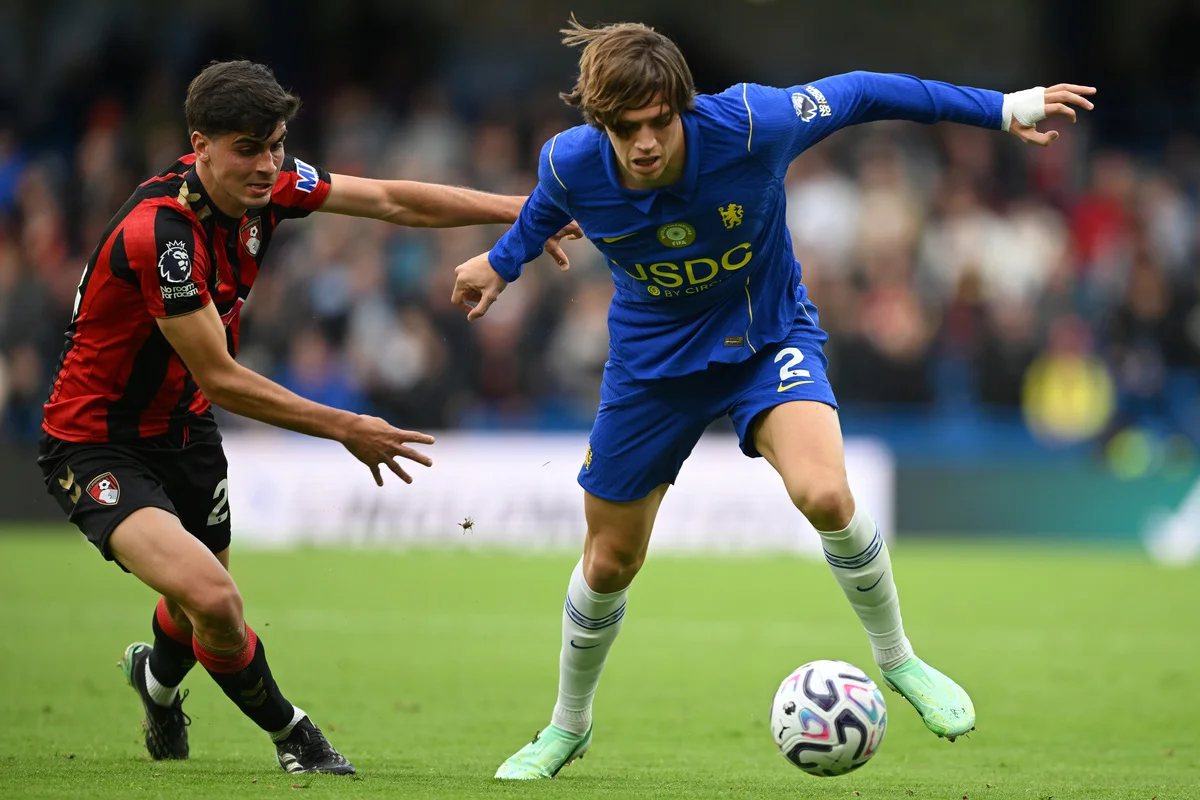
The 21-year-old missed Italy’s first international break of the season while recovering from a muscle injury sustained shortly before the 2026–27 Premier League campaign. Since joining Chelsea from Atalanta for €60 million over the summer, he’s made two league starts. He says his minutes have begun to increase after a carefully managed return, a measured approach that can matter for a young player adapting to a new club while regaining fitness.
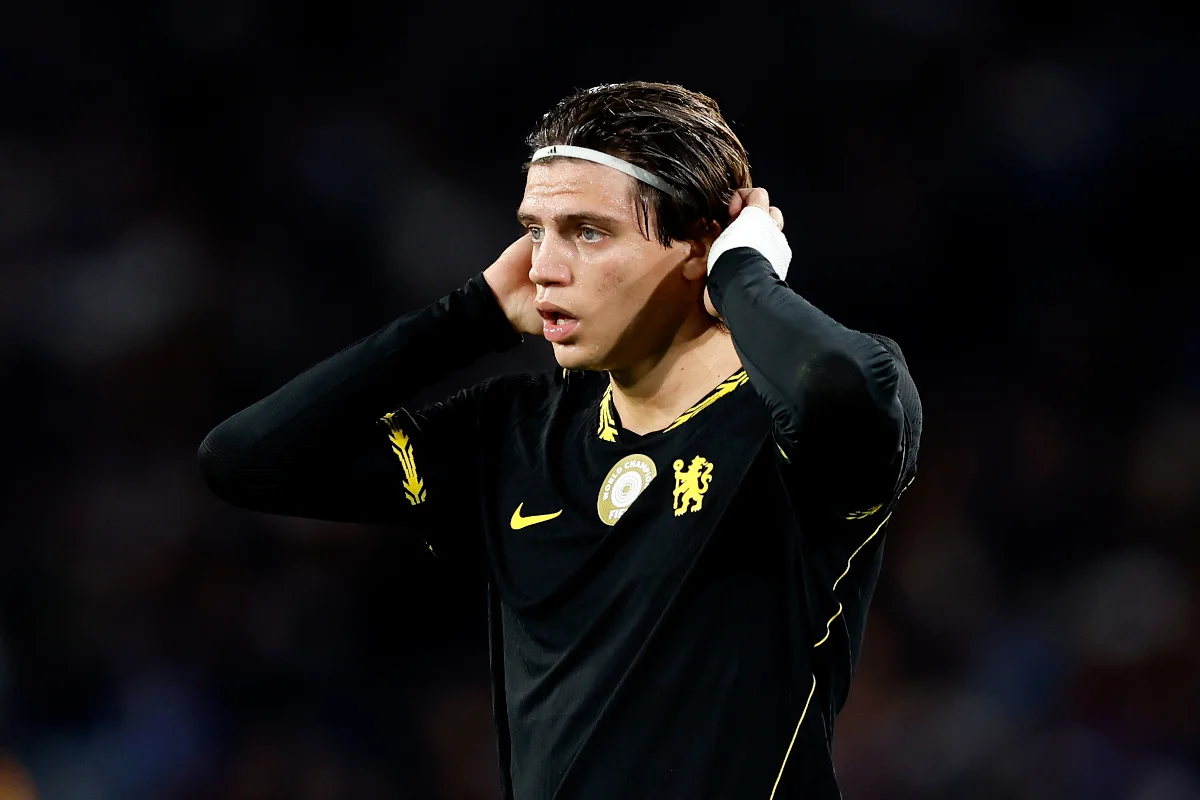
“It’s all been positive despite the injury and recovery period. I’ve started to play recently, I’m doing fine and feeling good,” Palestra told Rai Sport in an interview carried by TMW. He credited his coach and teammates for easing him back into the side. That support matters in a transition where opportunities can arrive gradually, especially after an injury has interrupted the work of settling into a new team.
He isn’t worried about a lack of goals or assists so far. Palestra said his priority is to perform, improve and earn more playing time, with support from Chelsea’s squad and coaching staff. That’s a sensible emphasis for a player with only two league starts: attacking output is visible, but it doesn’t tell the whole story of how a young player is adjusting or contributing. He also described the Premier League as the world’s most competitive competition, citing its pace, physical demands and quality. The growing number of young Italian players in England, he added, is encouraging.
Italy’s defeat still stings
Palestra came on as a substitute in Italy’s World Cup play-off final against Bosnia and Herzegovina on March 31, a defeat that denied the Azzurri a place at the 2026 tournament in North America. He said the loss “still hurts a lot” and may always do so, but believes the players have to turn their attention to what comes next. The result gives this international return a difficult backdrop: Italy’s next step has to be played out on the pitch, while the disappointment remains fresh for the squad.
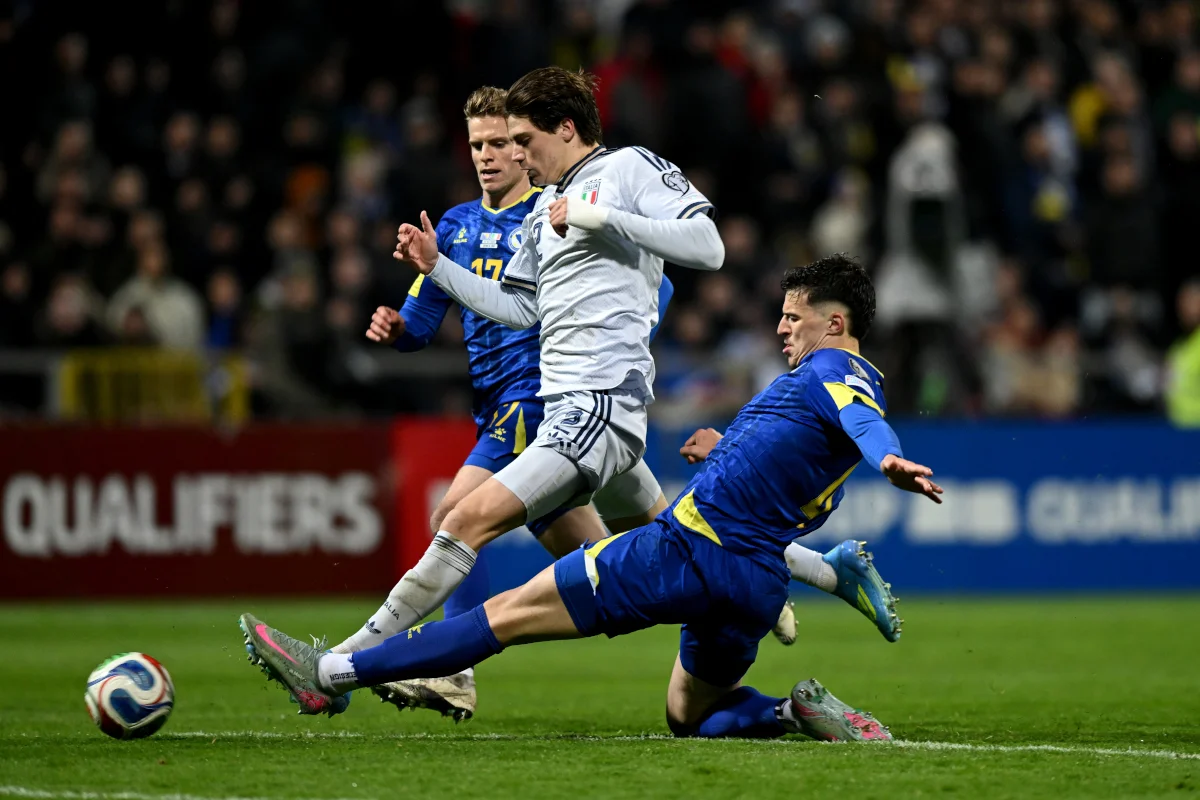
“We all gave our best to try and achieve that goal,” he said, reflecting on the match. “It went the way it did and now it’s up to us to turn the page.” Palestra added that the squad must create new achievements for Italian sport rather than remain fixed on the setback. A hard reset is easy to call for and harder to deliver; it requires the team to make the next performances matter on their own terms.
Looking toward France
Italy’s upcoming Nations League fixtures against France and Belgium give Palestra a chance to build on his return. Thursday’s France match could pit him against Kylian Mbappé, Ousmane Dembélé, Désiré Doué and Bradley Barcola. He called them among the world’s strongest players and said the challenge is a source of motivation. For a returning player, that test offers a clear measure of the level he’s stepping back into, even as his priority remains earning a place in the team.
Palestra also offered an upbeat first assessment of life under Roberto Mancini, who has returned as Italy coach. He described the group as united and said the coach has made a positive impression. If you’re working in this space, the practical question is whether that sense of unity can survive the pressure of competitive fixtures. Good feeling helps; results and performances will have to give it substance.
What the return can show
This is more significant than it looks. Palestra’s return brings together two unsettled tasks: establishing himself at Chelsea after injury and finding a role in an Italy side trying to move beyond a defining loss. Neither can be solved by one international window, and the source offers no reason to assume his place is secure. The useful indicators are simpler: whether his club minutes continue to grow, whether he feels physically ready, and whether Italy can turn its stated resolve into a coherent performance.
Here’s the thing: the immediate value of this window may be less about a headline statistic than about continuity. Palestra can build confidence by playing, while Italy can begin to show what its response looks like in practice. A chance to reset. That said, facing France and Belgium makes the return demanding from the outset, and a positive first impression under Mancini is only a beginning. The next performances will tell more than the declarations.