Inter arrive in Rotterdam under pressure, and Cristian Chivu has made his demand clear: his side must meet Feyenoord’s energy with discipline and resolve. The Champions League fixture kicks off at 20.00 GMT (21.00 CET) at Stadion De Kuip, where the home crowd and the pace of the match could test Inter’s composure early. The timing gives Chivu little room to let Saturday’s defeat linger; his players need to turn the disappointment into a sharper performance.
The warning comes after Inter’s 3-1 defeat to Milan in Saturday’s Derby della Madonnina, a result that capped a run of poor performances. A derby loss carries its own sting, but the broader concern is whether Inter can respond with better control and consistency. Their European campaign has also started unevenly: defeats to Real Madrid and Club Brugge were followed by a narrow 1-0 win over Shakhtar Donetsk, played with 10 men. That victory showed they could grind out a result under difficult circumstances, though it hasn’t erased the questions raised by the earlier defeats.
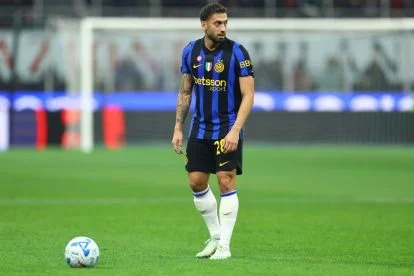
Availability and the challenge at De Kuip
Inter will be without Alessandro Bastoni, suspended after his sending-off against Shakhtar. Lautaro Martinez, Curtis Jones, Luis Henrique and John Stones remain injured, leaving Chivu with fewer options as he looks to steady the European campaign. Those absences matter most if the match becomes stretched: a manager’s ability to change the shape or refresh tired players can be as important as the starting plan. Inter will need the available players to manage their responsibilities without losing the intensity Chivu is demanding.
Chivu told Sky Sport Italia that Feyenoord present a different challenge at home, where the crowd and the team’s intensity can put visitors under pressure. “We must be ready to face adversity,” he said, adding that Inter “cannot afford to play without determination and grit.” The message is less about a particular formation than the attitude required to execute one: away sides can be forced into rushed decisions when opponents press with purpose and the crowd reacts to every duel. Inter’s response will depend on whether they can keep their passing clean when that pressure arrives.
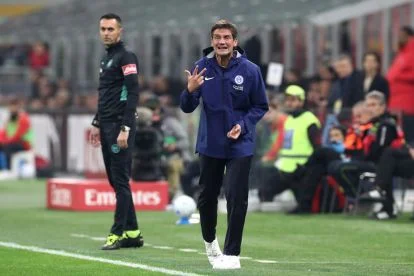
His tactical priorities are clear: quality in possession, intensity in both phases, well-timed wing-back runs and accurate service to the forwards. Each depends on the others. Wing-backs pushing forward can give Inter width and help move Feyenoord’s defence, but those runs need to be coordinated with possession and covered when the ball is lost. If the delivery into the forwards is imprecise, the work to create space may come to little. Chivu said the team had prepared for different match scenarios, even if they couldn’t predict how the contest would unfold. Here’s the thing: preparation can set the starting point, but the players still have to read the game as it changes.
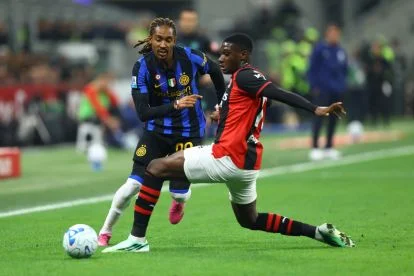
Djed Spence, now a regular starter after spending months out following England’s World Cup campaign, is set for another full outing. Chivu said the wing-back was ready to deliver “another 90 minutes of quality.” That places a particular demand on a player whose role requires repeated movement in both directions; his contribution will be judged by the timing and usefulness of those runs, not simply by how often he gets forward.
Inter then face Como in a significant Serie A fixture this weekend, making a strong response in Rotterdam especially valuable. The schedule raises the cost of a flat performance, but it also makes Chivu’s choices around energy and availability more consequential. He’ll need his side to compete fully while managing a squad that has several players unavailable. If you’re working in this space, the key question is whether Inter can show that the Milan defeat was a setback they’ve processed, rather than another symptom of the poor run.
What a response would mean
A win would give Inter a more convincing foothold in a European campaign that has so far produced defeats and a narrow victory. It wouldn’t settle every concern, but a disciplined display against an intense home side would offer evidence that the team can adapt when a match becomes uncomfortable. That’s more significant than it looks. For a side trying to recover from a derby loss, simply carrying the right approach through the opening spell could help restore belief.
And yet, the test isn’t limited to the final score. Inter must show that their possession has purpose, that the wing-backs can advance without exposing the team, and that they can keep their determination when Feyenoord make the contest difficult. A narrow result may be enough to improve the European picture, but Chivu’s emphasis on quality and intensity points to a broader standard. The response starts with discipline. Then the football has to follow.