VAR intervention keeps Manchester United in the contest
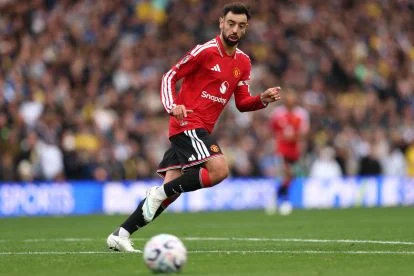
VAR gave Bruno Fernandes another shot from the spot after Bryan Cristante encroached during Manchester United’s Champions League match against Roma. Fernandes converted the retake, cutting into Roma’s 2-0 lead early in the second half. The goal changed the immediate scoreline, but the decision rested on a narrow point of penalty procedure: where Cristante was when Fernandes struck the first attempt, and what he did next.
Gianluca Mancini had conceded the penalty by fouling Matheus Cunha. Fernandes’ first attempt was driven low to his right, where Roma goalkeeper Devis Vasquez saved it. Cristante reached the rebound first, making his encroachment central to the decision to order a retake. That sequence matters: an early entry into the area can be treated differently depending on whether the encroaching player affects play, and here Cristante’s touch gave the officials a direct connection between the infringement and the outcome.
Why the penalty had to be retaken
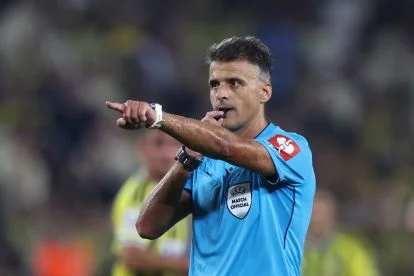
Referee Jesus Gil Manzano ordered the second attempt after VAR confirmed Cristante had entered the penalty area before Fernandes struck the ball. The fact that Cristante then played the rebound left little room for the original outcome to stand. In practical terms, the review was about more than spotting a player a step early: it established that the infringement involved a player who went on to influence the immediate action.
Penalty-area encroachment can be difficult to judge in real time because several players move toward the box as the taker begins the run-up. Video review gives officials a chance to check the timing and position, though the application still depends on the specific sequence. This is more significant than it looks: the retake followed not merely because Cristante crossed the line, but because he reached the rebound after the save.
Fernandes went the same way on the retake, placing the ball closer to the top corner. Vasquez dived the other way, and United got their goal. A goalkeeper’s first save can create a brief sense that the danger has passed; the retake resets the moment and puts the pressure back on both the taker and the keeper. Fernandes kept his choice, improved the placement, and made the second opportunity count.
Roma’s goalkeeping situation adds pressure
Vasquez was making his first competitive appearance for Roma. First-choice keeper Milan Svilar had been out for weeks, while second-choice Pierluigi Gollini developed back problems on the morning of the match. That left Vasquez with a demanding introduction: not only was he facing United in a Champions League match, but his first major moment involved a penalty and an immediate retake.
The circumstances help explain why the save and the decision drew attention, but they don’t alter the rule applied to Cristante. For a goalkeeper entering a match under those conditions, the ability to move on quickly after a retake is part of the job. Vasquez had already made the initial stop; Fernandes’ second attempt gave him little chance to repeat it.
What the decision means for the match
United’s goal cut Roma’s lead to one, giving the match a different shape early in the second half. A penalty retake doesn’t guarantee a goal, as Vasquez’s first save showed, but it can turn a moment of defensive relief into another high-pressure attempt. Here’s the thing: the sequence put the spotlight on a small technical violation at a moment when Roma had already done the hard part of stopping the initial shot.
If you’re following the game, the key detail is the rebound. Had Cristante not played it, the officials would still have needed to assess the encroachment, but his involvement made the case for a retake much clearer. And yet the result still came down to execution: Fernandes repeated his direction, found a better angle, and scored. A reprieve for United; another test for Roma’s makeshift goalkeeping order.