A forceful response in Rotterdam
Inter answered their Milan derby defeat with a 3-0 Champions League win away to Feyenoord, a result that offered a clear change in tone. Cristian Chivu called it “the best version of ourselves,” while stressing that one strong performance won’t settle the larger question hanging over his team: can they reproduce this level consistently?
The setting made the performance more persuasive. Feyenoord had beaten Como 3-2 at De Kuip and had built a reputation for strong home displays, yet Inter looked in control as Yann Bisseck, Francesco Pio Esposito and Piotr Zielinski scored. Esposito also had a second effort ruled out for a marginal offside after Federico Dimarco’s pass, a reminder that the scoreline could have been more emphatic.
Inter also dealt with a familiar weakness early. The team had been criticised for slow starts and hadn’t scored in the opening eight minutes since August. Against Feyenoord, they set the tone from the outset, giving Chivu the kind of opening he’d been asking for and making the hosts respond to Inter’s pace and organisation.
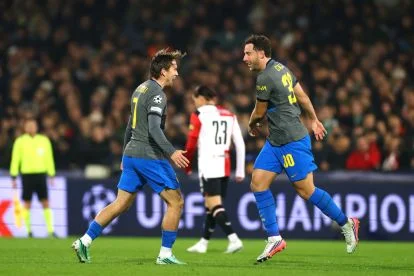
Chivu points to response and standards
Chivu said Inter had put their values into practice, crediting the performance to organisation and intensity in a difficult stadium. He also resisted the idea that the result proved the team had been performing poorly all season. His point was narrower: the players reached the level they were aiming for on this occasion, and that standard now has to become more familiar.
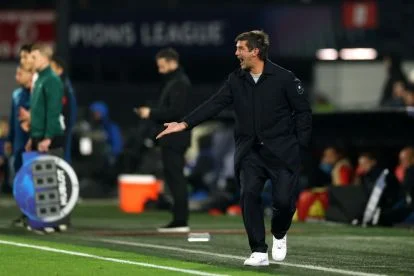
“We always have discussions after every game, whether it goes well or badly, we try to correct errors and build on our strengths,” he told Sky Sport Italia. Chivu said the squad may have identified what had been going wrong, while underlining that the players’ commitment to representing Inter had never been in doubt. That distinction matters: effort and quality aren’t the same thing, and a committed side can still fall short of its own standards.
Inter appeared to manage the match from start to finish in Rotterdam, but a single night can’t establish that the underlying problems have been solved. Chivu’s emphasis on repeatability is therefore more telling than the size of the win. The performance is evidence that Inter can impose themselves; the next step is showing they can do it again when the conditions change.
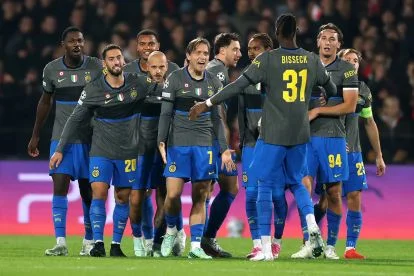
“Consistency is what brings results,” Chivu said, adding that it builds confidence and belief in the team’s work. The win gives Inter a lift, but he also pointed to football’s capacity to take teams in unexpected directions and the need to respond when results turn against them. Here's the thing: a convincing scoreline can raise expectations as quickly as it eases pressure.
The table still leaves work to do
Inter move up the Champions League table after four matches, with six points. Qualification remains unresolved, so this result improves their position without answering what comes next. A three-goal win away from home is a meaningful platform, but the points available across the remaining campaign still have to be earned.
This is more significant than it looks, though the significance lies in the response rather than any guarantee about the next round. Inter showed they could address a slow start, control a demanding away match and turn chances into goals. They’ll need those elements to hold together across future performances if they’re to make this result part of a pattern. A strong night. The harder test is repetition.
If you're working in this space, Chivu’s language points to a familiar coaching problem: turning a team’s best performance into its normal one. The win gives him a clear example of the level he wants, while the unresolved qualification picture gives the squad a practical reason to keep pursuing it. And yet, as the coach himself acknowledged, results can shift quickly; Inter’s response when they next face difficulty will say more about their consistency than the celebration in Rotterdam.