A clean sheet carries its own weight
Barcelona’s 3-0 Champions League win over Aston Villa gave Hansi Flick more than a convincing scoreline: it delivered the club’s first clean sheet in Europe in 19 months. That gap gives the defensive result a significance the score alone might obscure. A three-goal victory can look comfortable after the fact, but keeping an opponent off the scoresheet is a separate measure of control, especially when the team has had to adjust its back line.
With key defenders unavailable, Flick had again placed young midfielder Brian Farinas at right-back, and he was pleased with the defensive response. The choice put a player from midfield into a role with different demands: defending wide spaces, tracking attackers and staying connected to the rest of the back line. The source doesn’t detail Farinas’s individual contribution, so the clearest point is the coach’s assessment of the group. He saw a collective effort that held up against what he called a very good attack.
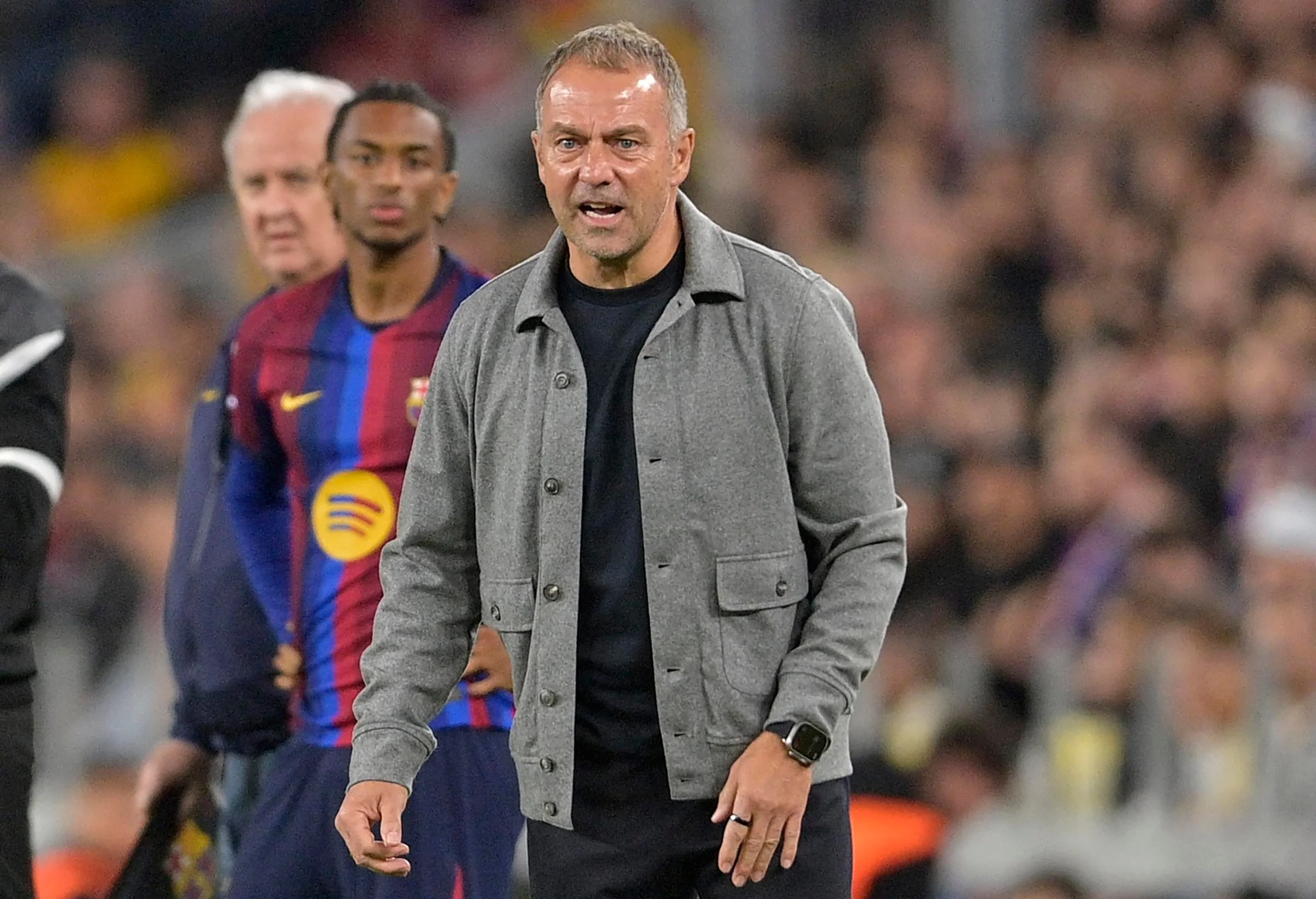
“The best thing about the match? The clean sheet. I’m very happy with that because we defended a very good attack like Aston Villa’s,” Flick told reporters.
“Of course, it was important. They are a great team. We defended well and we are happy with what we saw in defence. Everyone gave their maximum to finish with a clean sheet and we scored our goals. We’re pleased.”
Flick’s emphasis is telling. He didn’t treat the shutout as a footnote to the three goals; he made it the performance’s defining achievement. That’s a useful distinction for a side dealing with defensive absences. Results can reward attacking quality, but a clean sheet suggests the team also managed the less visible work: limiting threats, covering for teammates and maintaining concentration.
There’s a note of caution, too. One successful match doesn’t resolve the broader questions that injuries and role changes can raise. It does, however, give Flick evidence that his players can respond when the preferred defensive options aren’t available. For a coach, that evidence matters most when it can be repeated under different pressure.
Pressing created the opening goal
Flick also pointed to Barcelona’s approach behind Lamine Yamal’s ninth-minute opener. The goal followed an error by Joao Gomes, forced as Barcelona pressed high and recovered the ball in a dangerous position. The sequence offers a compact example of how the team’s defensive and attacking plans can connect: pressure unsettles an opponent, the ball is won, and the resulting opportunity can arrive before the other side has time to reset.
“This is our idea how we want to play football,” Flick said. “We try to press them very high, so that they make mistakes. We had this moment, were in the right position and we pressed them well, and they made this mistake and we used it.”
That approach asks for more than energy. High pressing depends on players moving together and recognizing when to close down, when to cover a passing option and where the next loose ball might go. If one player steps forward while others stay back, the press can open space for the opponent instead. Flick’s account points to a moment when Barcelona were in position and acted collectively. The goal was the payoff.
This is more significant than it looks. The opening came from a deliberate team habit, not simply from a defender clearing the ball or an attacker producing an isolated piece of skill. And yet, a single forced error doesn’t prove that the press will work every time. Opponents can respond by playing around pressure or finding space behind it. The match report gives no basis for judging how often Barcelona’s press succeeded across the full game, so the goal is best read as a clear example of the idea working.
What the next fixture will test
The result now sets up another major test: Barcelona face Atletico in La Liga at the weekend. Flick’s satisfaction with the clean sheet suggests the defensive performance will matter as much as the goals when his side turns to that next fixture. A strong attacking display can set a positive tone, but a quick change of opponent also tests how well a team can carry its habits into a different match.
For Barcelona, the relevant question isn’t whether one European shutout guarantees another. It’s whether the defensive coordination Flick praised can hold when the available personnel remain a factor and the demands of the next game change. If you’re watching the team’s progress, pay attention to how it manages the spaces around its right-back and whether the high press remains connected across the pitch. Those details can say more about the sustainability of the performance than the final score.
And this is the part most people overlook: a clean sheet can be a useful sign of resilience without being proof that every defensive concern has gone away. Flick has reason to be pleased. The real test is repetition.
For now, Barcelona have a result that supports two parts of the coach’s plan: press high to create chances, and defend with enough discipline to protect the lead. The win delivered both, while the first European clean sheet in 19 months gives the defensive side unusual prominence. A demanding next fixture will offer the next piece of evidence. No grand conclusion required.