The revenue case for a new San Siro
Inter’s argument for a new San Siro starts with a stark financial comparison: Real Madrid brings in about €250 million a year from the Bernabéu, while Inter and Milan generate just under €100 million from their current ground. Inter president Beppe Marotta says the planned stadium could help narrow that gap and improve the clubs’ competitiveness. The comparison gives the project a clear commercial rationale, though it doesn’t by itself show how much extra income the new venue will produce or how quickly the clubs could capture it.
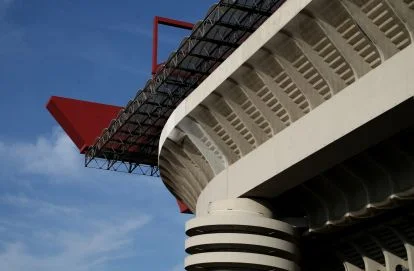
Inter and Milan unveiled the new San Siro project on Thursday. The 71,500-seat venue will be called Generali Stadium for 20 years. It’s planned beside the existing Stadio Meazza, where both clubs will continue playing until the replacement is ready. That means the clubs’ immediate finances will still depend on the old ground while the new one is being built, and the revenue case rests on a project that won’t open for several years.
“In some respects, whilst San Siro represents a repository of historical memory, it no longer meets the requirements of a modern stadium or what the fans want,” Marotta told The Athletic. His case combines two arguments: the existing venue has historical value, but that value doesn’t guarantee it can meet current expectations or generate the income the clubs seek. A replacement is therefore being presented as both a facilities decision and a business decision. Whether supporters see those aims as equally compelling is another matter.
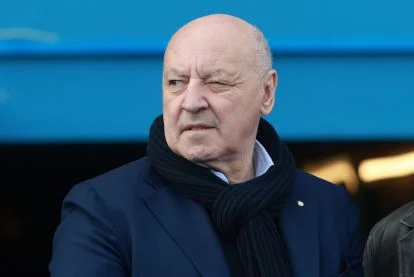
“Just consider that, according to the figures we have today, Real Madrid generates around €250m a year (from the Bernabeu), whilst we’re currently just under €100m with San Siro. As well as being an asset for the club, a stadium is also a source of revenue,” Marotta said. The figures are his framing of the gap, not a forecast for Generali Stadium. Still, they make plain why Inter sees the ground as more than a place to stage home matches: control of a venue can give a club more ways to earn from the building and its use. The scale of that opportunity will depend on the final operation of the site, details not provided in the announcement.
For Marotta, the revenue gap reflects a wider competitive challenge. “At present, there’s far too big a gap between us in Italy and some of our rival clubs in Europe, which also affects our competitiveness and certainly puts us in a very difficult position.” His comments put the stadium in the context of European competition, where a club’s finances shape the resources it can bring to the team. A higher-earning venue could help, but the project alone can’t erase differences between clubs or guarantee results on the pitch. This is more significant than it looks: the stadium debate is also a debate over whether Italian clubs can build more income at home.
A venue built for more than match days
The clubs expect the site to serve them beyond football fixtures. “A stadium must have a life of its own and be functional, not just on Sundays or when matches are played,” Marotta said. The proposed design also gives Inter and Milan separate Curva sections. Those details point to an effort to make the venue work for both clubs and to give each fan base a distinct place within a shared project. A fuller calendar of activity could support the business case, but the announcement doesn’t specify what those uses will be or how much they might contribute.
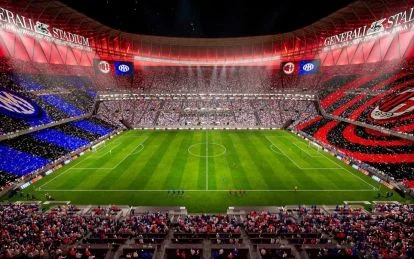
Construction is due to start in 2028, with the stadium scheduled to open for the 2031–32 season, ahead of Euro 2032, which Italy will co-host with Turkiye. Marotta credited Oaktree’s persistence with helping move the project through Italy’s bureaucratic hurdles. The timetable gives the clubs a target, while also underlining how long they’ll have to wait before the planned venue can change their match-day economics. For now, the project’s commercial promise is tied to a schedule and a design rather than operating results.
“In Italy, where there are major bureaucratic hurdles to launching projects of this nature, this has come about thanks in part to the arrival and tenacity of Oaktree. Their tenacity has perhaps broken down some of the bureaucratic barriers which, in our country, unfortunately represented a major stumbling block and were difficult to overcome. Today, we are truly on an upward trajectory.” Marotta’s remarks credit the owner’s persistence, while also acknowledging how difficult it can be to move a major stadium project through the process. That said, the announcement marks progress toward construction; it doesn’t settle every question about delivery, cost or future revenue.
What the project has to prove
The clubs’ plans now face a long build period before the new venue can change their match-day economics. They meet in the Derby della Madonnina on Saturday, October 31: Inter are joint leaders with Lazio, while Milan are fifth, seven points behind the leading pair. That sporting context gives the stadium argument a sharper edge, but it doesn’t answer the central business question: whether the new ground can turn its intended uses into lasting income. If you’re working in this space, the test will be whether the venue earns beyond match days while still serving the fans who give it meaning. The proposal sets out the ambition. The years ahead will show whether the numbers catch up.