Juventus approach their Napoli test with Luciano Spalletti under pressure on two fronts: a poor run of results and reported dissatisfaction among some players with his training sessions. According to La Stampa, those players believe his long explanations interrupt drills and reduce their intensity. The complaint is specific, but it remains a reported view from part of the squad, not a public assessment shared by the whole dressing room.
Spalletti has ordered the team into a two-day training retreat. The decision comes as Juventus prepare for a pivotal Serie A match against Napoli, with the coach’s position under scrutiny. A retreat can give a team more time to work together, but its value depends on what happens during those sessions: more hours alone won't resolve disagreements about how training is run.
Results add to the pressure
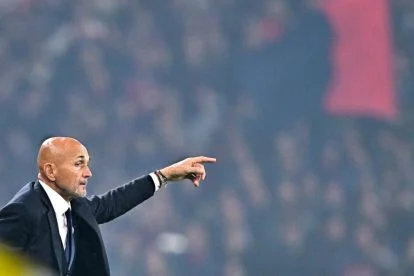
Juventus have collected 14 points from nine league games and lost two of their last three. That return gives the Napoli fixture weight beyond the usual stakes of a match between prominent Serie A sides: the team has little recent momentum to draw on, and another setback would add to questions about its direction. The record doesn't explain every problem, but it gives the training complaints a more consequential setting.
After Thursday’s 2-0 defeat to Genoa, CEO Giovanni Carnevali delivered a stern address to the dressing room, urging players to take responsibility for the results. His message places some of the burden squarely on the squad. It also underlines the difficulty Spalletti faces: he must maintain authority over the players while helping them respond to criticism from the club’s leadership.

La Stampa, via TMW, reports that some players are unhappy with Spalletti’s approach on the training ground. Their complaint is that lengthy explanations create downtime during exercises, leaving sessions short on pace. That account doesn't establish how many players share the view or whether the coaches believe the extra instruction is necessary. If you're following the situation, that distinction matters: a reported frustration is a signal to watch, but it isn't proof of a wider split.
Training is where a coach tries to turn ideas into repeated habits. Similar disagreements can arise when one side wants more explanation and the other wants more time at full speed; either approach can be defended in principle, while the effect depends on the players and the work being done. Here's the thing: the criticism targets the use of time, not simply the content of Spalletti’s instructions. The numbers here are underwhelming, and the reported complaint suggests that some players are questioning how the team is being prepared.
If accurate, the concern points to a gap between the coach’s methods and what some players want from training. That gap can affect trust as well as tempo, because players need to understand the purpose of the work even when they disagree with its format. And this is the part most people overlook: a retreat adds time together, but it doesn't automatically produce agreement about how that time should be used. A session can be busy without being effective. The Napoli match may offer a clearer public measure of the team’s response than any report about practice.
Replacement talk and the Napoli test
Juventus have held no formal talks with a potential replacement. Stefano Pioli, Paulo Sousa and Antonio Conte have nevertheless been linked with the Allianz Stadium role. Those names show that outside speculation is already part of the discussion, but links alone don't demonstrate that the club has begun a search or made a decision about Spalletti.

Appointed exactly a year ago, Spalletti is already fighting to keep his job, despite a contract that runs through June 2028. That contract gives a clear measure of his formal commitment to Juventus, but the immediate test is less abstract: results, dressing-room response and whether the team can carry its preparation onto the pitch. The Napoli match now puts both the team’s form and the reported training-room discontent in sharper focus.
This is more significant than it looks. One defeat or victory won't settle every question about a coach’s methods, yet a strong response could ease the pressure by showing that the squad is still able to act together. A poor performance would leave the results and training complaints reinforcing each other. For now, the clearest evidence remains the league record and the Genoa loss; the accounts of player dissatisfaction deserve attention, but the club's next actions will say more than the speculation.