Ekhator is back in training, but match fitness is another question
Jeff Ekhator’s return to full training gives Juventus coach Luciano Spalletti another centre-forward to work with. It doesn’t mean the 19-year-old is ready to start, or even that his first competitive appearance is imminent. After an injury-disrupted spell, the immediate question is how quickly he can rebuild the fitness and rhythm required for senior football.
Training with the group is a meaningful step because it lets a player resume football-specific work alongside teammates. But availability and readiness aren’t the same thing. Coaches typically need to judge how a returning player responds to sessions, whether he can handle repeated high-intensity efforts, and how comfortable he looks in the movements his position demands. Ekhator’s return gives Spalletti a new option; it doesn’t settle when that option can be used.
Injuries have delayed Ekhator’s first appearance
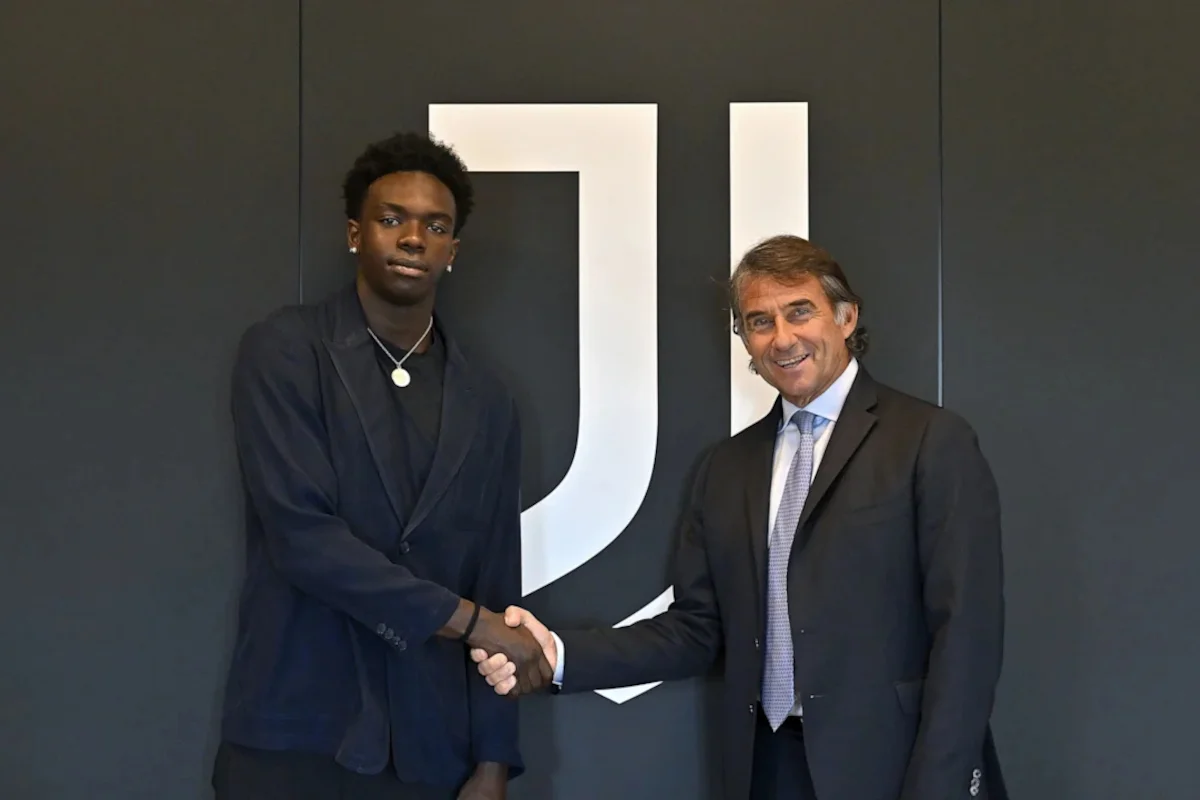
Juventus signed Ekhator from Genoa for €16 million plus bonuses during the summer transfer window. A muscular injury in a pre-season friendly against Basel in mid-July sidelined him until the second week of the Serie A season. He was an unused substitute against Parma, Juve’s second league opponent of 2026-27, before a hamstring injury kept him out for a further two months. That sequence has left him without the gradual introduction a new signing might otherwise get through training and early minutes.
For a young forward joining a new club, lost time can matter beyond the number of matches missed. He has to learn how teammates move, how the team builds attacks, and what the coach expects when possession changes. Those details are hard to absorb from the treatment room. They’re also why a return to group training can be a first step toward integration, while still leaving plenty of work before a player is ready to contribute in a match.
Competition for minutes remains a factor
Reports from Gianluca Di Marzio, Tuttosport and other Italian outlets say Ekhator has rejoined full training. His return could let Spalletti rotate him with Randal Kolo Muani and Nick Woltemade at centre-forward as he works toward a competitive Juventus debut. That’s a potential benefit for squad planning, though it doesn’t establish how Spalletti will divide minutes or which forward will start.
Centre-forward roles can involve very different demands from one team to another. A coach may ask the player to occupy central defenders, provide an outlet under pressure, link up with teammates, or attack space behind the defence. A returning player must show he can perform those tasks at the team’s pace, not simply complete a training session. For Ekhator, the first useful contribution may be modest: an opportunity to join the matchday group, build minutes, and show that his fitness is holding up.
This is more significant than it looks for Juventus’ depth, but the scale of that significance depends on what follows. An additional forward gives a coach more room to manage workloads and adjust options during a match. Yet availability only helps if the player can be trusted to carry out the role. The injury history makes patience sensible, especially with a 19-year-old whose first appearance for the club is still ahead of him.
And this is the part most people overlook: a return to full training doesn’t erase the time spent recovering. It starts the process of getting back into competitive condition. Ekhator will need to regain match sharpness while learning his place in a new attack, and those goals may not arrive at the same pace.
What the return could mean for Juventus
Juventus’ next match is against Napoli in Serie A on Sunday at 19:45 GMT. The fixture gives Spalletti an immediate selection decision, but the information available doesn’t say whether Ekhator will be included in the squad. Even if he is available, a substitute appearance would be a different test from starting and handling a full workload.
If you’re following Juventus’ forward options, the clearest signal to watch is how Ekhator progresses from training back into the matchday picture. A cautious introduction could help the club assess his condition without placing too much demand on a player returning from two separate injuries. There’s no shortcut here. The return adds possibility, while his first competitive minutes will show how much of that possibility is ready to become useful.
For now, Spalletti has another centre-forward in training, and Ekhator has a route back into the squad. Whether that route leads to an immediate debut remains uncertain. The next stage is the harder one: turning recovery into dependable match fitness.