Inter arrive at the first Derby della Madonnina of the season as Serie A leaders, but Cristian Chivu is resisting any suggestion that Saturday’s result will set the course of the title race. The match carries the usual stakes of pride and support, he said; with only 10 league games played, it won’t decide the season.
Inter’s derby record adds pressure
Inter will be the away side against Milan, with kick-off scheduled for 19.45 GMT on Saturday. Chivu said his players understand the occasion and that the rivalry itself supplies an extra lift. The league table, he argued, has little bearing on the derby. His comments came at a Friday press conference ahead of a meeting that arrives with a difficult recent record for the Nerazzurri.
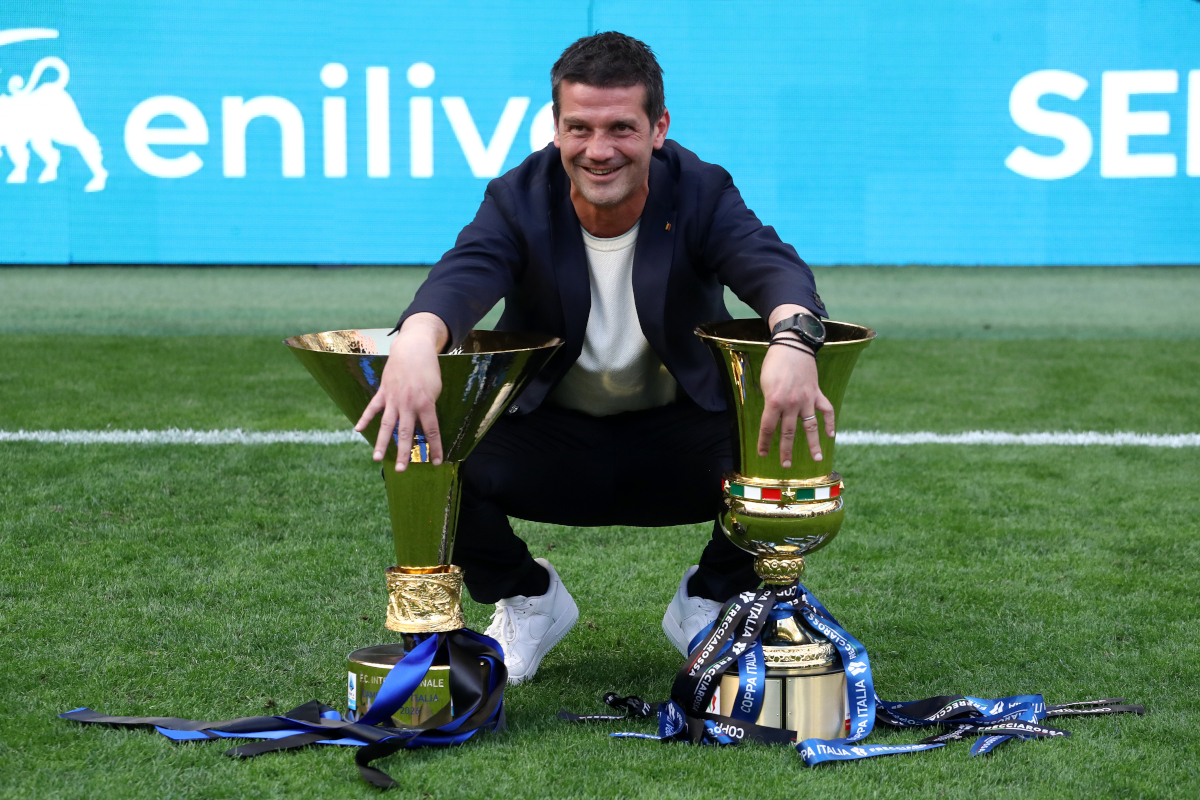
Inter won the Scudetto and Coppa Italia last season, yet lost both league matches against Milan in 2025-26. They have gone seven derbies without a win, losing five and drawing two. Their last victory over the Rossoneri came in April 2024. That run gives the fixture a personal edge for Chivu’s side, though the coach framed it as a reason for honest assessment rather than a demand for a symbolic result.
He said the players shouldn’t be content with their work so far and need to produce their strongest performance. Inter, he added, should examine why the last seven meetings have gone against them. Chivu pointed to moments that fell Milan’s way, including the first derby last season, and said his team must be prepared to make further sacrifices.
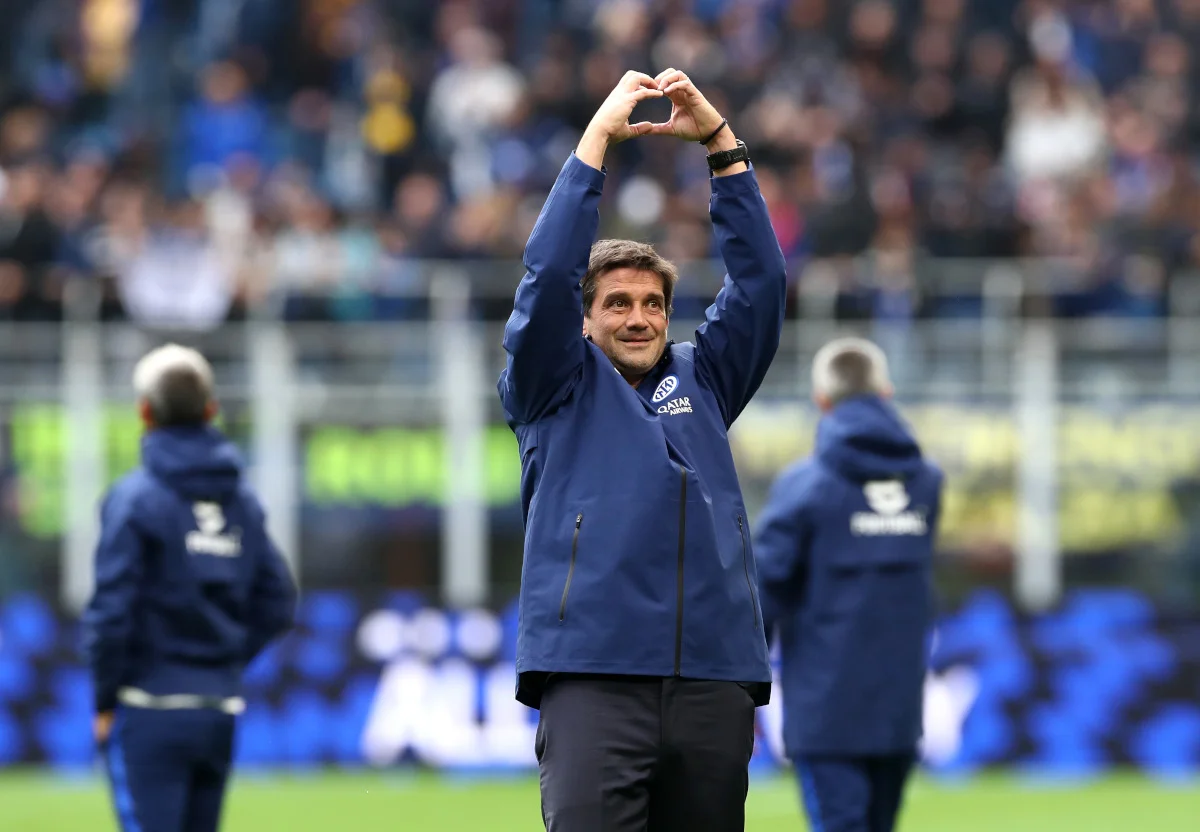
Balance is the tactical priority
Chivu described Milan as a technically capable side with ways to hurt Inter, and said his team will need to stay compact and protect the space behind its defensive line. Asked about Milan’s tendency to start matches quickly, he stressed the need to judge when to press or commit forward, accounting for both physical energy and concentration.
That emphasis on balance also shapes his approach to defending. Chivu said he doesn’t favor attack at the expense of defense, and expects all 11 players to understand their responsibilities when Inter are without the ball. He criticized complacency and players who rely too heavily on teammates instead of following the team’s basic principles. Inter work on those details, he said, though their execution varies from match to match.
Inter have collected 13 points this season after falling behind. That resilience has made the side capable of recovering from difficult positions, but Chivu didn’t treat a clean sheet as the sole measure of success. His focus is on reading the game and knowing when the team must commit fully. The challenge, as he described it, is to defend collectively while using Inter’s attacking strengths and accepting calculated risks in possession.
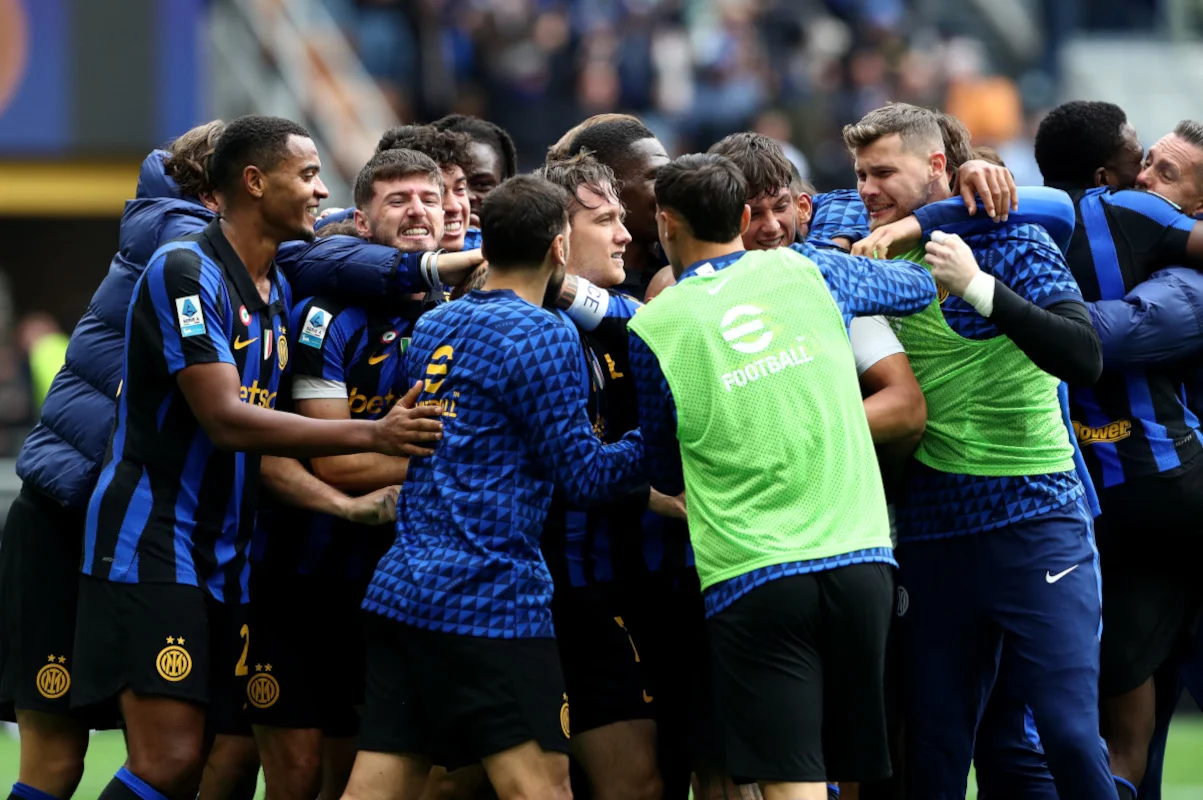
He also pushed back on the idea that Inter’s identity should be judged by how many goals they score. A 5-3 win would mean conceding three, he observed, while a 2-0 result can still draw criticism if the team doesn’t score more. Chivu said Inter need to bring greater motivation to matches and make better use of their strongest qualities when they have the ball, particularly against opponents who defend deep.
A derby with stakes beyond the table
Chivu rejected the notion that a Milan defeat would define Inter’s campaign, just as last season’s derby result didn’t settle the title race. He recalled that Milan won the first meeting last year, only for the standings to shift after Inter lost to Lazio in Rome. The derby is a major Serie A fixture, he said, but it offers three points like any other league game—and there are many matches still to play.
That doesn’t make the occasion routine. Chivu acknowledged the pressure, ambition and desire to satisfy supporters that come with this rivalry. He said there are no favorites in a derby, and urged his players to focus on doing the right things rather than dwelling on the pressure. A 0-0 draw wasn’t a result he would promise to accept: losing 1-0 would be painful, while winning by that score would be welcome. His standard was simpler—give everything, leave the pitch with heads held high, and know the team made a real effort.
Squad choices and the future of San Siro
Asked about Carlos Augusto’s possible role, Chivu said injuries and the need to rest players affect his decisions. Augusto can feature as either a wing-back or a defender, and the coach expects to rotate several players. He offered no confirmation on whether Josep Martinez will start in goal, saying the decision would be clear the next day.
The press conference also touched on the stadium plans recently announced by Inter and Milan. Chivu welcomed the prospect of a new venue while expressing some sadness about leaving San Siro, where he had given a great deal as a player. Change can feel unsettling, he said, but people may come to appreciate what follows once they get used to it.
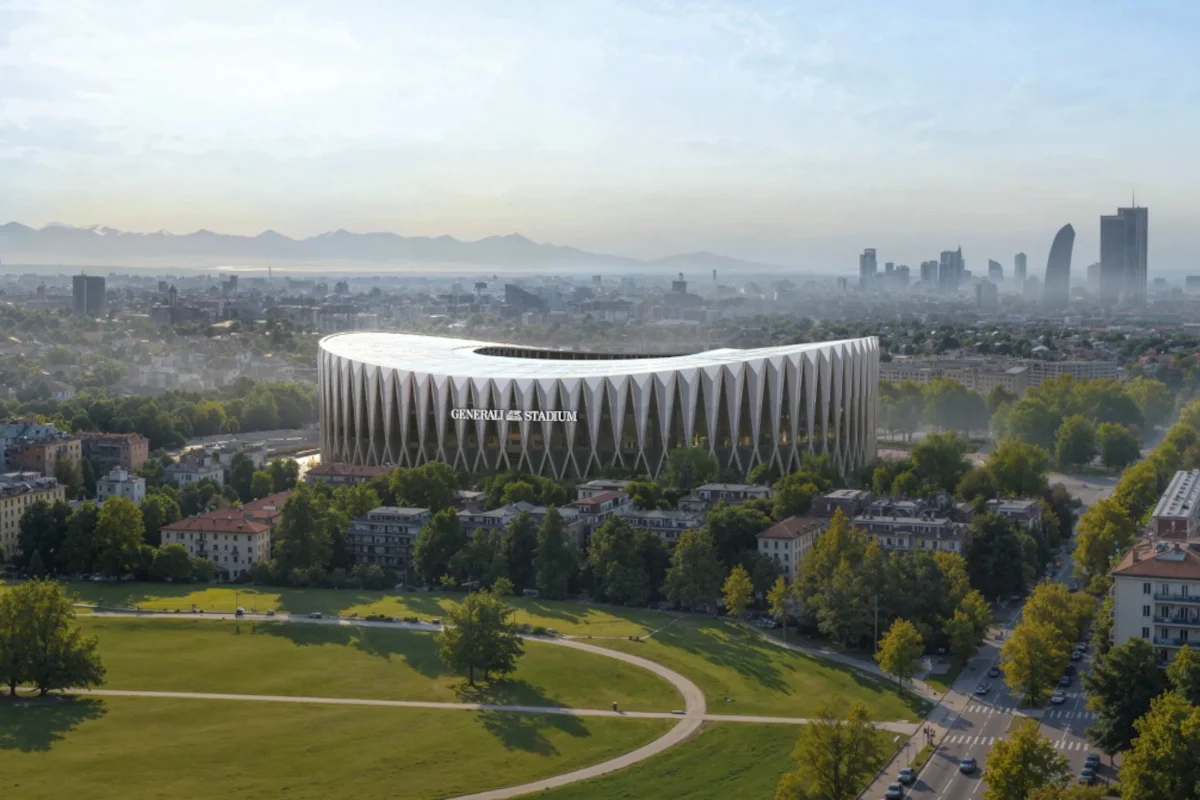
When asked if he expected to remain Inter coach by the time the new stadium opens, Chivu declined to predict that far ahead. He said four years is a long time to stay in one role, while suggesting that a stronger sporting culture could make continuity more likely. The answer offered no firm forecast, but it did connect the club’s future to the environment it builds around the team.
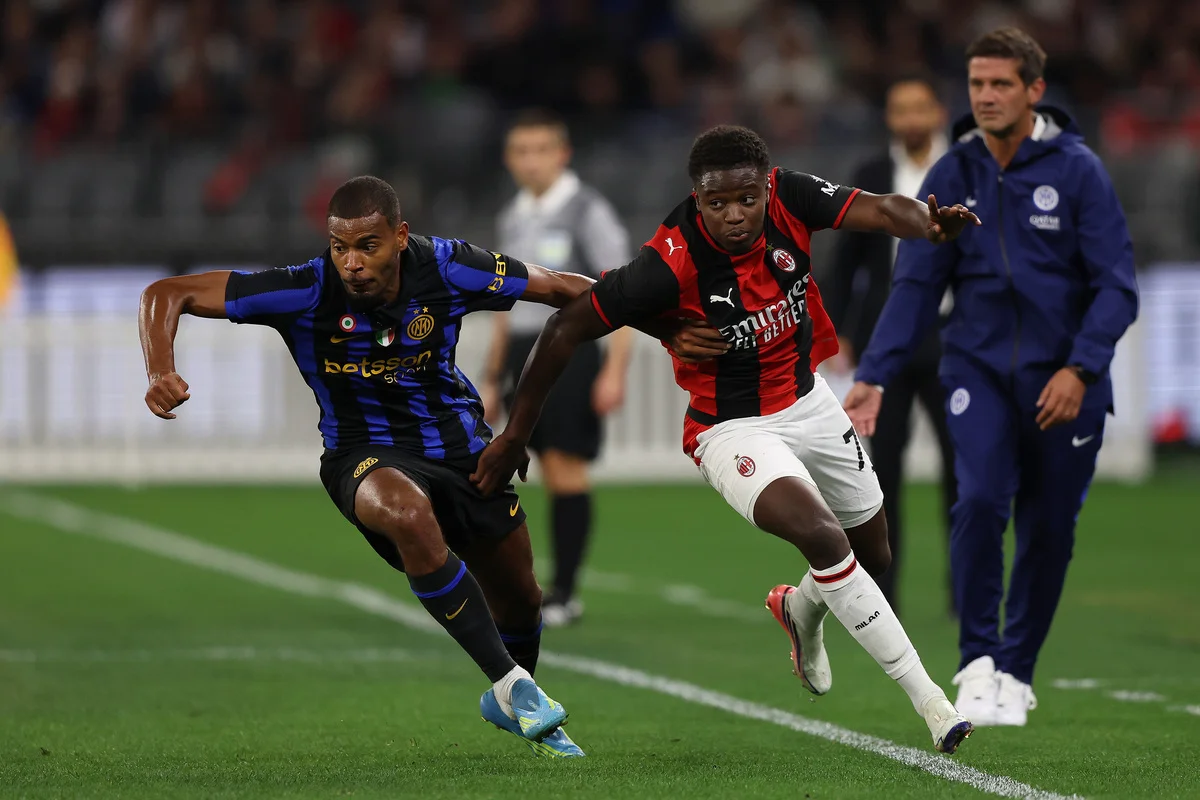
For Saturday, Chivu’s message is practical: the derby matters because of the rivalry, the supporters and Inter’s recent record, but the team has to treat it as one demanding league match. The result will shape the mood around Milan and Inter for a time. In his view, the longer test is whether Inter can pair defensive discipline with sharper use of the ball throughout the season.
TMW reported Chivu’s comments. He also addressed the stadium plans announced by Inter and Milan.