Spain’s youth title extends a wider run
Spain’s 3-0 win over Czechia in Baku gave its under-15 team the first edition of the FIFA U-15 World Cup, adding another trophy to an already remarkable run across Spanish football. The final was played on Friday, with FIFA president Gianni Infantino and former Arsenal manager Arsène Wenger watching from the stands. For the young players, the scoreline made for a clear finish; for FIFA, the occasion also offered a chance to present a new tournament as part of its international development work.
© Pro Shots
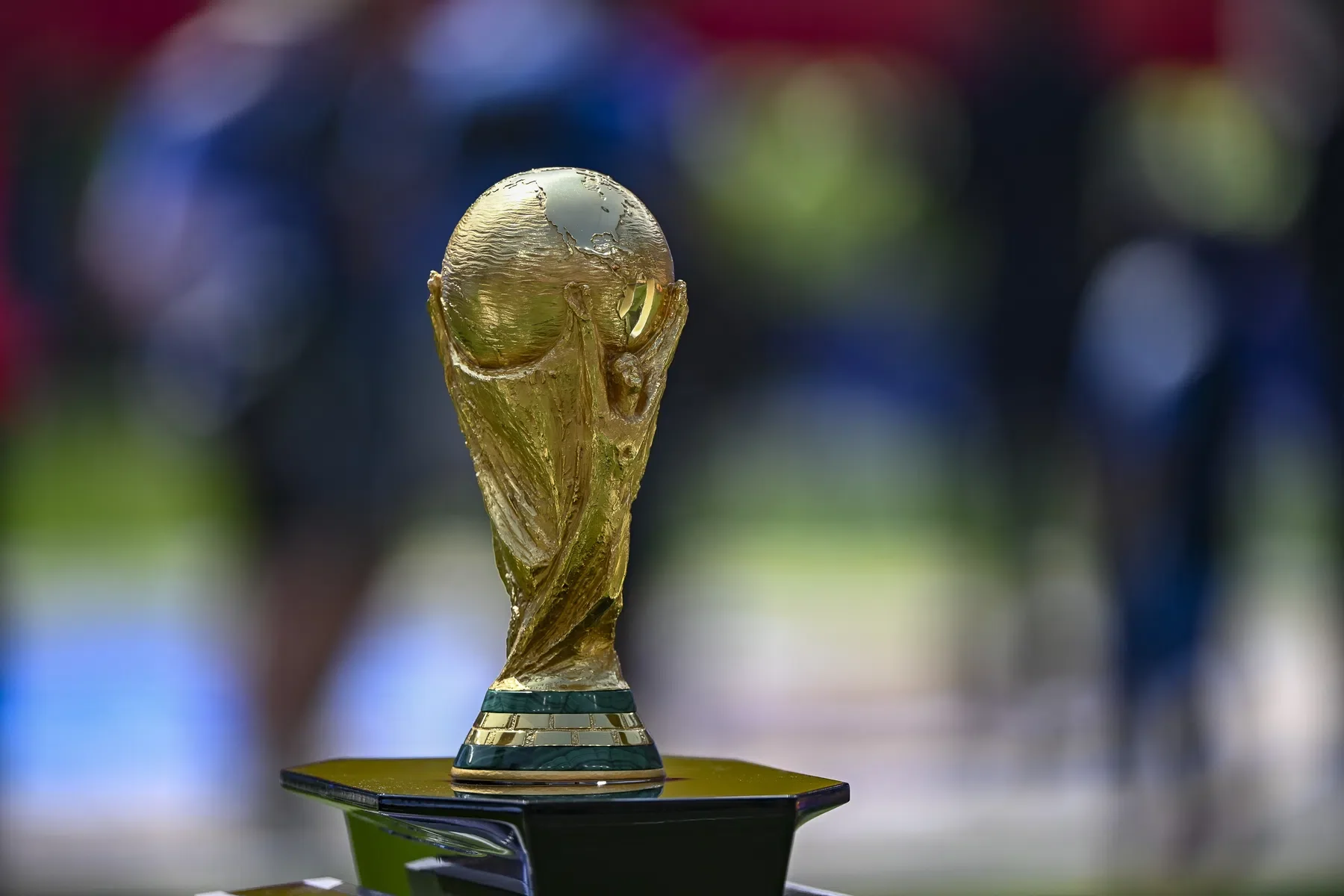
Infantino and Wenger helped establish the tournament to give young players opportunities and promote football worldwide. Its debut was staged in Azerbaijan, with 189 countries taking part, while another 22 FIFA member associations were absent, including the Netherlands. The format’s scale was striking: organizers fit 940 matches into seven days. That kind of compressed schedule makes the event a substantial logistical exercise, as well as a test of how well a new competition can serve players and teams across a broad field.
Spain’s victory gives the inaugural edition a convenient headline, but one tournament can show only so much about the strength of a youth system. Under-15 football is especially early in a player’s development: a result at this age group doesn’t establish who’ll reach senior level, or which national program will remain strongest over time. Still, lifting the first trophy matters. It gives Spain a place in the competition’s history and adds another achievement to a record that spans senior and youth teams.
A broad field, with notable absences
The missing teams came from several regions, though Europe accounted for most of them. The list includes countries with very different football profiles, and the source doesn’t give a reason for any individual absence. That limits what can be inferred from the omissions: a country’s absence shouldn’t be treated as evidence of a broader judgment about the tournament or its development aims.
| Continent | Absent country or countries |
|---|---|
| Asia | North Korea |
| Africa | Eritrea and Libya |
| North America | United States |
| Europe | Armenia, Belgium, Denmark, Germany, Faroe Islands, Finland, Iceland, Liechtenstein, Netherlands, Norway, Ukraine, Austria, Romania, San Marino, Serbia, Slovenia, Sweden and Switzerland |
Even with those gaps, participation from 189 countries gives FIFA a broad platform for a first edition. But reach and competitive balance aren’t the same thing. The number of associations involved says something about the tournament’s scale; it doesn’t, by itself, tell readers how evenly teams were matched or what opportunities players received during the week.
Spain’s dominance is the story Infantino chose to emphasize. Speaking to Diario AS, he said the country had become world champion with its men’s and women’s senior teams and now with the first under-15 winners. He called the final convincing and said seeing the boys succeed made him proud as FIFA president. That praise is understandable, though it also reflects FIFA’s interest in presenting the new event as a success. The result itself is clear; the longer-term value of the competition will depend on what comes after this first edition.
A title haul across generations
The title list below helps explain why the under-15 win is being framed as part of a larger Spanish story. It covers men’s and women’s teams, senior sides and several youth age groups, with repeated success in women’s under-19 European Championships among the entries. That breadth is more revealing than any single trophy: it suggests success has appeared across multiple parts of the national setup, rather than being confined to one celebrated team.
That said, a list of titles is a record of outcomes, not a full explanation of how they were produced. It doesn’t show the training choices, player pathways or coaching decisions behind them. The numbers here are underwhelming as an explanation, even if the trophy count is striking. If you’re working in youth football, the useful question is what conditions help talent keep developing after a medal ceremony, when players move into older age groups and face different demands.
| Title | Men’s or women’s | Age group |
|---|---|---|
| World Cup 2026 | Men | Senior |
| European Championship 2024 | Men | Senior |
| Nations League 2023 | Men | Senior |
| Olympic title 2024 | Men | Under-23 |
| European Championship 2026 | Men | Under-19 |
| World Cup 2023 | Women | Senior |
| Nations League 2025 | Women | Senior |
| Nations League 2024 | Women | Senior |
| World Cup 2026 | Women | Under-20 |
| World Cup 2022 | Women | Under-20 |
| European Championship 2022 | Women | Under-19 |
| European Championship 2023 | Women | Under-19 |
| European Championship 2024 | Women | Under-19 |
| European Championship 2025 | Women | Under-19 |
| European Championship 2026 | Women | Under-19 |
| World Cup 2022 | Women | Under-17 |
| European Championship 2024 | Women | Under-17 |
| World Cup 2026 | Men | Under-15 |
What the result means for the next generation
There’s a bigger stage ahead. Spain will co-host the 2030 World Cup, which will mark the tournament’s centenary. Infantino said he hoped the country would enjoy that event and suggested one of these young players might make the squad by then. That’s an appealing possibility, though a lot can change in four years. At this age, progress rarely follows a straight line, and a team’s success doesn’t guarantee that its current players will move together into senior football.
And this is the part most people overlook: a youth tournament’s significance isn’t measured only by the eventual careers of its winners. A new competition can also create more chances for young players to experience international football and for national associations to take part in a shared event. Whether this first edition builds a lasting place in the calendar can’t be settled by one final, however emphatic the score.
For now, Spain has a first under-15 world title and another entry in a long list of recent honors. This is more significant than it looks as a marker of the country’s reach across age groups, but the trophy is still a beginning, not a forecast. The tournament’s test will be whether it continues to offer meaningful opportunities after its debut, while Spain’s test will be to turn early promise into a durable pathway for players. A strong start. A longer story still to come.