A win that sharpens the picture
Milan’s attacking intent is becoming clearer under Ruben Amorim, but former Rossoneri defender Alessandro Costacurta doesn’t yet see the depth of a Serie A title contender. His assessment followed Milan’s 2-0 win over Udinese on Sunday: encouraging progress, with a long way still to go. The distinction matters. A team can show a persuasive approach in one match and still lack the consistency, options or balance needed to sustain a title challenge.
The win lifted Milan level on points with third-placed Roma, four points behind leaders Inter and Lazio. All four clubs have opened the 2026-27 Serie A season unbeaten through eight matches, a first in the competition’s history. That unusually tight start leaves the table crowded, and Milan’s position gives them reason to believe they’re in the race. It doesn’t yet establish them as one of its strongest sides.
Milan had entered the game after a disappointing Europa League defeat to AFC Bournemouth. In that context, beating Udinese offered a useful response: the team could reset, impose itself and take three points. But a single domestic result can’t answer every question about a side still adjusting to its coach. The result is encouraging; the test is whether the same intent holds when the match turns against them.
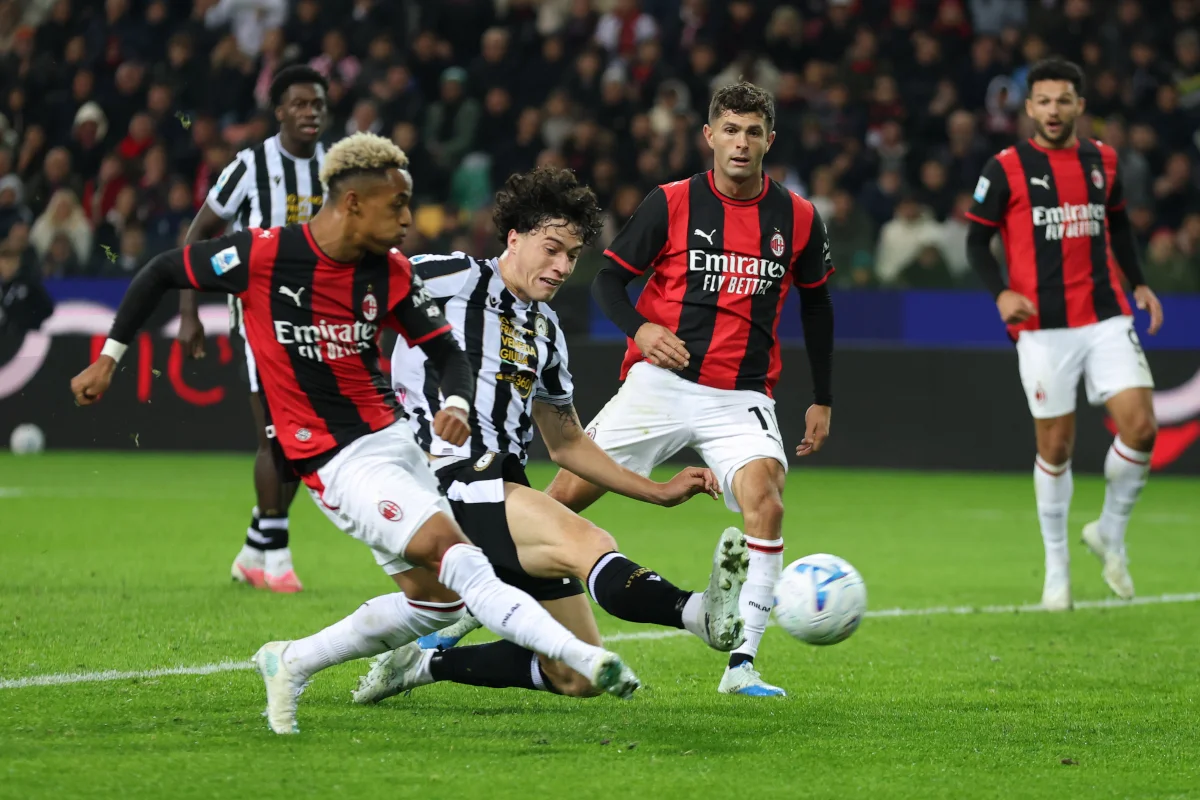
Costacurta sees forward drive, not a title team
Speaking on Sky while covering the Udinese match, Costacurta said he liked the players’ attitude and their commitment to Amorim’s approach. “I’m seeing players who are following their coach in a very particular way,” he said, as reported by Milannews.it. The point is less about a formation than a shared willingness to carry out the coach’s instructions. That can give a team a recognizable identity, though identity alone doesn’t guarantee results over a full season.

His praise came with a clear limit: “I’m still not seeing a Scudetto team.” Costacurta believes other sides are ahead for now, while stressing that the season is young and Milan are showing promise. That is a measured judgment, not a dismissal: Milan may be improving without yet having demonstrated the depth and reliability that the title race demands. The numbers here are underwhelming as proof of superiority; being level with Roma and four points off the leaders keeps Milan close, but says little on its own about how durable the challenge will be.
What stands out to him is the team’s appetite to move forward. Milan press when trying to win the ball and carry the same urgency into their build-up, he said. “They go at it all the time.” The notable point is that the aggression appears in both phases: the attempt to recover possession and the effort to advance once they have it. This is more significant than it looks, because a coach’s ideas become visible when players repeat them across different moments of a match. But the approach also needs sound judgment; constant forward movement can expose spaces if the team loses the ball.
Bartesaghi reflects Amorim’s approach
Amorim has changed formations and line-ups as he searches for the right balance, leaving some players to wait for opportunities. That churn can make it harder for a side to settle, but it also gives players on the fringes a chance to show how they fit the coach’s plans. Davide Bartesaghi made his case against Udinese, earning recognition as one of the match’s standout performers. Costacurta praised how often the defender got involved and the quality he brought to those actions.
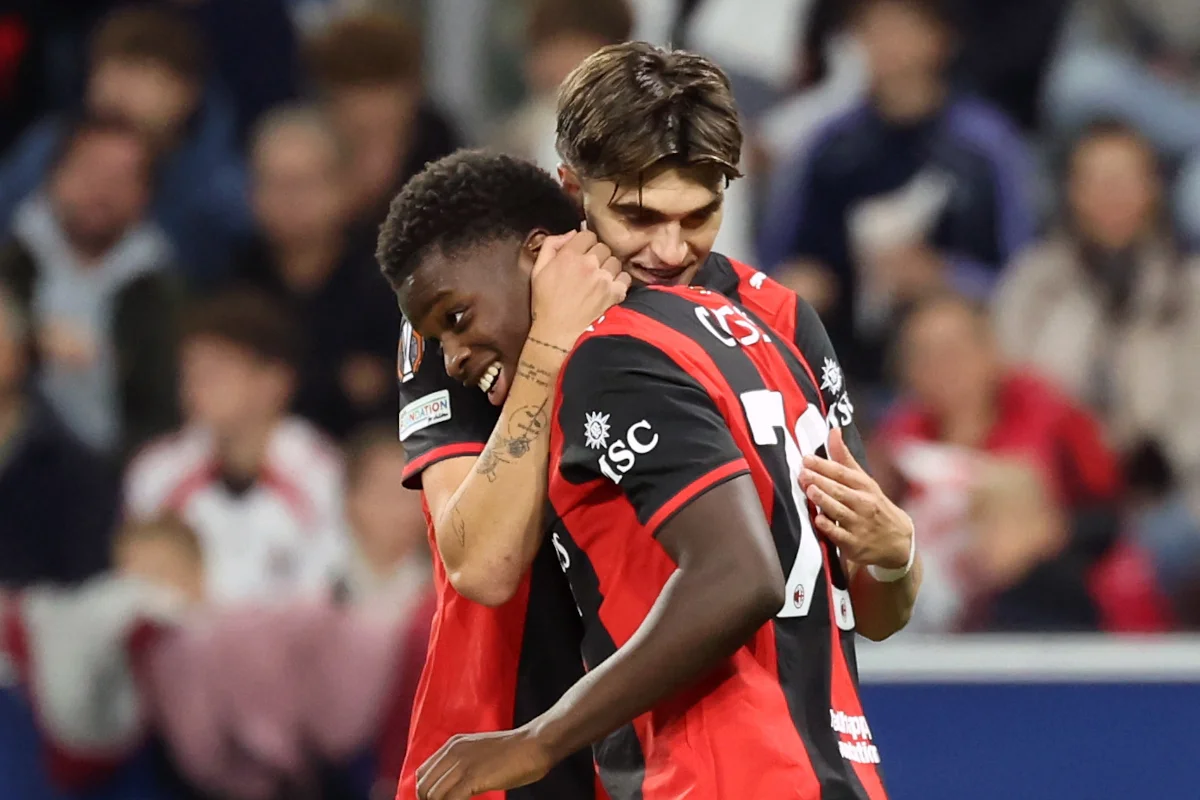
“Bartesaghi had a wonderful game,” Costacurta said. He saw the performance as evidence of a broader instruction: Milan’s players should attack whether they have possession or are working to recover it. Bartesaghi’s display gives that principle a concrete example, while also showing why selection decisions remain open as Amorim experiments with his line-up. A strong performance can strengthen a player’s case, but the broader question is whether the coach can build a stable group around the approach.
What Milan still need to show
The Udinese result strengthens the early signs of Amorim’s style; whether that can put Milan alongside the leading title contenders remains an open question. If you’re following the title race, the useful signal isn’t simply that Milan won, but that Costacurta sees commitment to a common plan. The harder evidence will come in whether that commitment survives different opponents, setbacks and the pressure of a season that’s only eight matches old.
And this is the part most people overlook: attacking intent can be easy to praise when it produces a comfortable win, but its value depends on how well the team manages the risks that come with it. Costacurta’s reservations keep the assessment grounded. Milan look more purposeful, and Bartesaghi’s performance adds a promising individual note. Still a work in progress.