A win that answers one question, not the title one
Juventus’ 2-0 win at Lecce ended a 35-day wait for a league victory, but Zbigniew Boniek sees little evidence that the club can compete for the Scudetto. His sharper point is about the squad’s ceiling: he sees capable players, but not a team of champions. That distinction goes beyond one match. A side can have individuals who decide moments and still lack the collective quality, consistency, or authority associated with a title contender.
Weston McKennie and Douglas Luiz scored in the first half for Luciano Spalletti’s side, which moved to seventh with 14 points. Boniek, speaking to Radio Anch’io Sport the day after the match, said the result didn’t change his view of Juventus’ place in the title race. The win matters because it ended a frustrating stretch without three league points, and it gives the team a firmer footing in the table. But a single result can’t settle the bigger question: whether Juventus can repeat that level of performance against a range of opponents.
“When I watch Juventus, I don’t see a team of champions, just good players. And that makes the difference,” he said, according to Gazzetta dello Sport. He described the club’s position as “compromised and difficult” and pointed to Juventus’ struggles in Europe as further evidence that they’re outside the Scudetto contenders. His argument is about standards over time: a title race demands more than flashes of good play, especially when a team is also trying to establish itself in European competition.
That’s a severe reading, but it’s more useful than treating the Lecce result as a verdict in either direction. Juventus have ended the wait; they haven’t yet shown, in Boniek’s view, that they can sustain the kind of control and quality required to challenge for the league.
Why Boniek discounts the Lecce performance
Boniek also questioned how much the Lecce performance proved. He said McKennie’s opener came from a free kick, with the goalkeeper caught out, and argued that Juventus hadn’t dominated the match. “In the past they had more quality,” he said. Douglas Luiz was also among the scorers in the win.
His criticism turns on the difference between taking advantage of a chance and controlling a game. Set pieces and defensive mistakes count just as much as goals built through sustained attacking pressure, but they don’t necessarily show that a side can impose its style consistently. That’s the qualification Boniek is placing on the result. He’s not denying Juventus the points; he’s asking what those points reveal about the team.
There’s a limit to what can be judged from a short account of one match. The source gives Boniek’s view, along with the scorers and final result, but it doesn’t establish a full tactical case for why Juventus did or didn’t control the contest. Still, his skepticism is plain: a win can relieve immediate pressure without changing how outsiders assess the squad’s depth or its capacity to compete at the top.
Old ties and an unresolved stadium slight
Boniek spent three seasons in Turin in the 1980s, winning the Scudetto and European Cup with Juventus. His relationship with the club later soured during the Calciopoli era, when he strongly criticised the management of Luciano Moggi. That history gives his comments a personal edge, though it doesn’t make his football assessment automatically right or wrong. He’s speaking as a former player with direct experience of the club, and as someone whose ties to it have been strained.
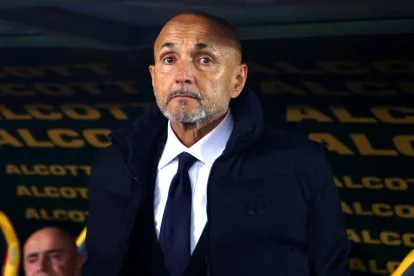
He also took a teasing shot at Spalletti’s elaborate way of speaking. “I’ve been in Italy for 44 years, and when I hear him speak on TV I have to get the dictionary out to understand what he’s saying,” Boniek said, calling the coach demanding and particular. It’s a joke, but it also hints at the gap between Spalletti’s public manner and the way Boniek reads him: exacting, perhaps, and not always easy to follow. The remark adds colour to the interview without resolving the central question of whether the coach can lift this squad into contention.
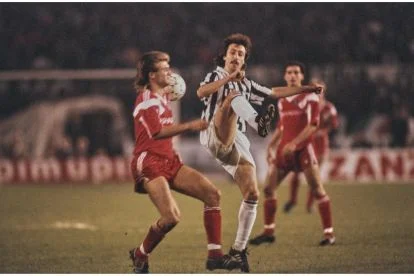
The dispute over Boniek’s Juventus Stadium star remains part of that strained history. In 2010, he was selected among 50 former players for a star at the new stadium, but supporters’ protests prompted the club to suspend the award and hold another vote. Edgar Davids received the final star. The episode helps explain why Boniek’s relationship with Juventus remains a live subject when he comments on the club, even decades after his playing career there.
“I’m not here to criticise my old team. Without criticising them, they gave me a star at the Stadium and then took it away,” Boniek said. “I’ll stop there.” That clipped ending carries the sting of a grievance he doesn’t want to expand on. And this is the part most people overlook: his criticism of the current team comes from a former Juventus player whose own history with the club still feels unresolved.
What Juventus need to show next
For Juventus, the Lecce points end a long wait; Boniek’s assessment suggests the next challenge is showing that the team can produce more than an isolated result. The practical test is repetition: can the side turn a useful win into a pattern of performances that earns confidence, rather than asking one match to carry too much meaning? If you’re following Juventus, that’s the question to keep in view as the league campaign continues.
This is more significant than it looks. Seventh place and 14 points describe where Juventus stood after the win, while Boniek’s remarks challenge whether the squad has the quality to climb into the title conversation. His judgment is only one person’s view, shaped by his history with the club, but the distinction he draws between good players and champions is a demanding one. For now, Juventus have answered the immediate need for a victory. The larger argument remains open.