Luis de la Fuente’s successful year with Spain earned him the Johan Cruyff Trophy for Coach of the Year at Monday’s Ballon d’Or gala. The 65-year-old led La Roja to its second World Cup title last summer and recently signed a contract with the Spanish federation through mid-2032. The award recognizes a season’s work, but the contract points to a longer judgment: Spain’s federation is backing him to guide the national team well beyond this campaign.
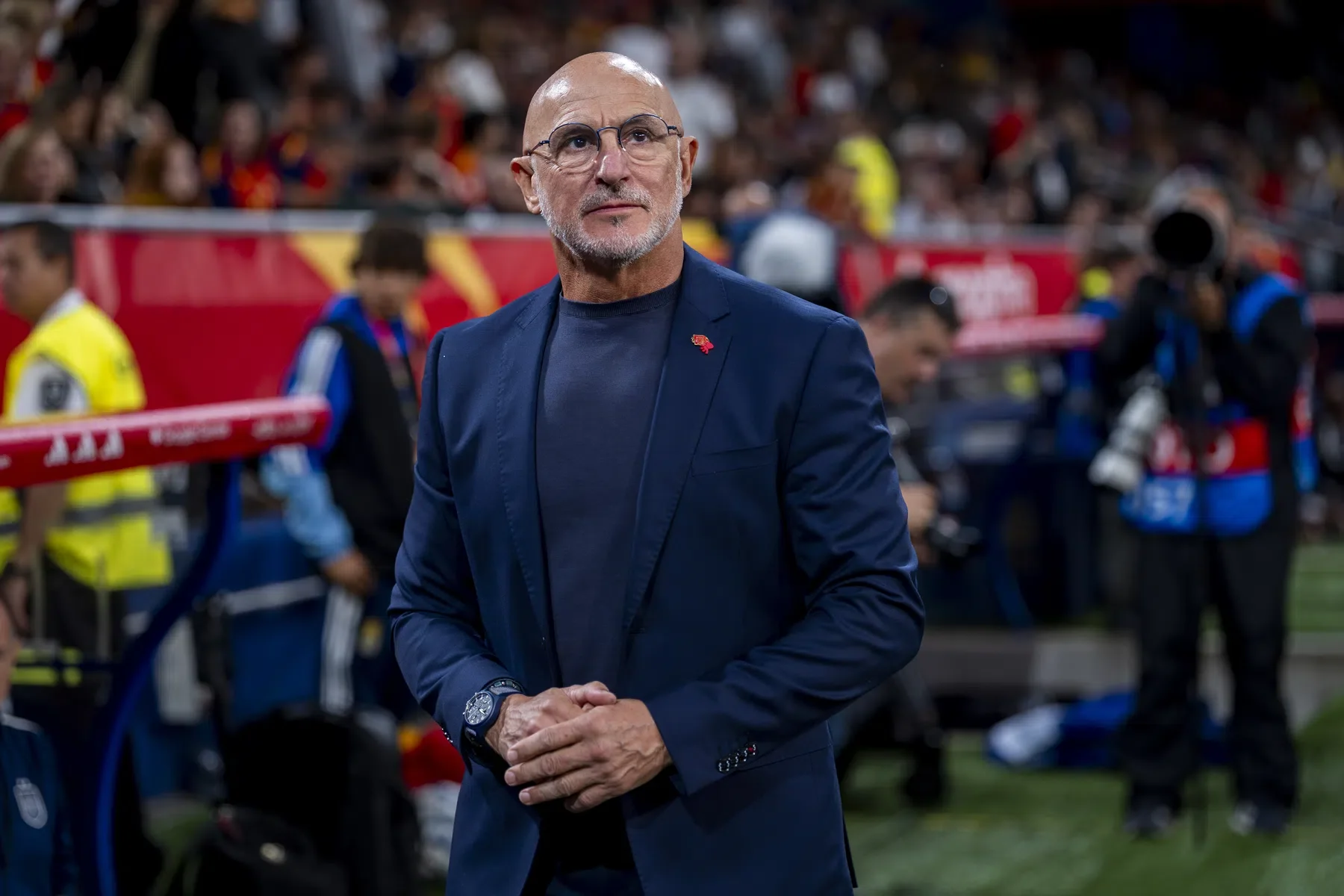
Award for Spain’s coach
De la Fuente was among the nominees, alongside Mikel Arteta, Unai Emery and Vincent Kompany. He succeeds last year’s winner, Luis Enrique, who guided Paris Saint-Germain to a second consecutive Champions League title last season. That contrast captures the breadth of the coaching award: its shortlist can include managers working with national teams as well as those leading clubs through a demanding season. De la Fuente’s case rests on Spain’s international success, while the other nominees arrived from different team settings and competitions.
The Johan Cruyff Trophy has been awarded only twice before. The Ballon d’Or organizers named the coaching prize after the Dutch football icon in 2024, with his son Jordi Cruijff present at the announcement. Carlo Ancelotti won the inaugural trophy. Johan Cruyff himself claimed the Ballon d’Or three times, in 1971, 1973 and 1974. The award is therefore young, and its history is still taking shape; each winner will help define what voters consider the strongest coaching achievement in a given year.
That distinction matters because coaching success doesn’t come in a single form. A national-team manager has limited time with players compared with a club coach, and must build a shared approach around squads assembled from different teams. Club managers, by contrast, work within a season-long rhythm of training and competition. Neither setting automatically makes one achievement greater than the other. The award puts them in the same conversation, asking voters to weigh results alongside the very different conditions under which coaches work.
Here's the thing: a trophy can make an individual achievement visible, but it can’t explain how a team reached it. De la Fuente’s recognition is tied to Spain’s World Cup win, a collective result shaped by players, staff and preparation. The coach’s role is to set direction, make selections and respond as matches unfold. The award gives that work a public marker, even though a single ceremony can’t capture every decision behind a tournament campaign.
What a national-team coach can shape
National-team coaches face a particular challenge: they need to build continuity without having the players together every week. They must establish shared ideas in limited windows, make choices from a pool of players whose club roles may differ, and adapt those ideas to the competition in front of them. Results still provide the clearest measure for supporters, but the work that produces them includes planning and communication that aren’t always visible on match day.
For Spain, the World Cup title gives De la Fuente a clear achievement to point to. It also raises expectations. Success can strengthen a coach’s standing, yet it makes the next phase harder to define: supporters and federation officials will judge future work against a high point. That’s one reason a long contract can matter beyond its length. It gives a coach room to plan, while putting the federation’s confidence in him on record.
And yet, a contract through mid-2032 shouldn’t be read as a guarantee that every future season will follow the same pattern. Football changes quickly, and national-team plans depend on player availability, form and the demands of each competition. A long agreement provides a framework for continuity; it can’t remove the uncertainty inherent in the job. If you’re working in this space, that’s the central tension: stability helps a team develop, but results remain the test that attracts the most attention.
Women’s coach award
Pere Romeu, coach of Barcelona’s women’s team, received the Coach of the Year award in the women’s category. His recognition gives the ceremony a separate point of focus, acknowledging coaching in the women’s game rather than treating the men’s award as the sole measure of the year. The two awards recognize different teams and contexts, but both place the coach’s work alongside the results that draw public attention.
De la Fuente’s latest honor adds to a defining stretch for Spain’s national team, with his long contract giving him time to build on its World Cup success. That is the immediate significance: the federation has paired recognition of a major result with a long-term commitment. This is more significant than it looks, though the real value of that commitment will depend on what comes next. Time to build. The trophy celebrates what Spain has achieved; the contract turns attention to whether De la Fuente can sustain that standard.