Harry Kane’s 73 goals for Bayern Munich and England last season have earned him the 2026 Ballon d’Or. The 33-year-old striker received football’s top individual award in London on Monday, becoming the first English winner since Michael Owen in 2001. The result gives a season of extraordinary personal output an unmistakable headline, but the award also reflects the broader case voters had to weigh: Kane’s scoring, Bayern’s domestic success, and England’s run at the World Cup. No single part of that record explains the decision on its own.
© Pro Shots
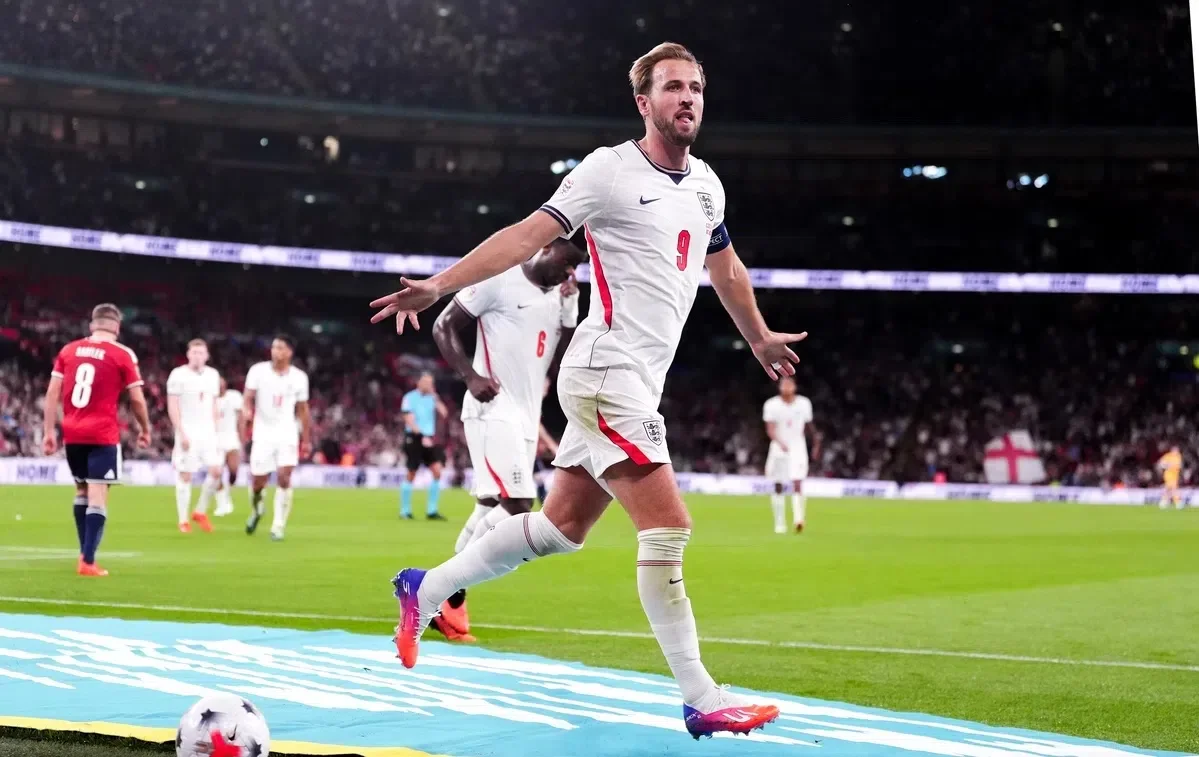
The award caps a season of major team and individual success. Kane won the league and cup with Bayern, then scored six times as England finished third at the World Cup. He also collected the Gerd Müller Trophy at Monday’s ceremony, adding a separate recognition of his scoring record to the evening’s top prize. A year ago, he placed 13th in the vote, which Ousmane Dembélé won.
A rare English winner
Owen was the most recent Englishman to claim the Ballon d’Or before Kane. Earlier English recipients were Stanley Matthews in 1956, Bobby Charlton in 1966, and Kevin Keegan, who won in both 1978 and 1979. Keegan died this year. That short list puts Kane’s victory in a longer national history, though the gaps between winners show how rarely the award has gone to an English player.
The voting period ran from 3 August 2025 to 19 July 2026, the day of the World Cup final. One hundred journalists chose from 30 nominees, a list assembled by France Football and L’Équipe with help from UEFA ambassadors Luís Figo and Fabio Capello. Voters assessed individual performances, team achievements, and sporting conduct. Those criteria ask voters to balance evidence that can point in different directions: goals and personal influence on one side, collective results and conduct on the other.
Kane’s rise from 13th to first reflects the scale of his season: his scoring record came alongside silverware at Bayern and a deep World Cup run with England. His win also ends a 25-year wait for an English player to claim football’s most prominent individual prize. The jump is striking because it suggests a single season can change how voters assess a player’s standing, particularly when individual production is paired with trophies and a significant international tournament.
Goals backed by team results
Seventy-three goals is the clearest measure in Kane’s case, but the award’s context makes the supporting results matter. Bayern’s league and cup wins give his season a team dimension, while England’s third-place finish at the World Cup adds a separate international achievement. A player’s scoring tally can stand out on its own; pairing it with success in both club and national-team settings makes the argument for recognition easier to understand.
That doesn’t mean the award can be reduced to a simple tally of goals or trophies. The voting criteria include sporting conduct as well as performance and team achievements, and the source doesn’t give a breakdown of how individual voters weighed those elements. Still, Kane’s season appears to have offered a strong case across several categories at once. This is more significant than it looks: individual awards often turn on whether a player’s personal numbers connect to meaningful results for their teams.
What the voting says
The Ballon d’Or is decided by journalists, with a defined group of 30 nominees and three stated areas of assessment. That structure gives the award a recognizable process, but it doesn’t remove judgment from the result. Voters must compare players whose seasons may differ in role, team performance, and the competitions that shaped their year. The criteria help frame that comparison; they don’t make it mechanical.
Here’s the thing: Kane’s previous 13th-place finish makes this year’s outcome more than a routine confirmation of an established reputation. His record changed, his teams won major honors, and England went deep at the World Cup. The source doesn’t establish which factor mattered most to the voters, so any claim that one achievement decided the result would go too far. What it does show is that his strongest season, by the measures reported here, coincided with the award.
What Kane’s win means
For English football, the result ends a long wait that began after Owen’s 2001 victory. It also adds Kane to a small group that includes Matthews, Charlton, and Keegan, with Keegan’s two wins giving the list an unusual repeat winner. The history gives the announcement added weight, but the more immediate story is the scale of the season behind it.
If you’re working in this space, the useful detail is the combination: a high scoring total, domestic trophies, an international tournament run, and recognition in the same season. That combination gives a clearer account of why Kane won than any one figure can provide. And yet the vote remains an assessment by journalists, not a formula that guarantees the same outcome every year. A season that brings together individual output and team success has made a persuasive case here. For Kane, the verdict is final; for the award, the debate over how best to weigh those achievements continues.