A relationship built on shared ground
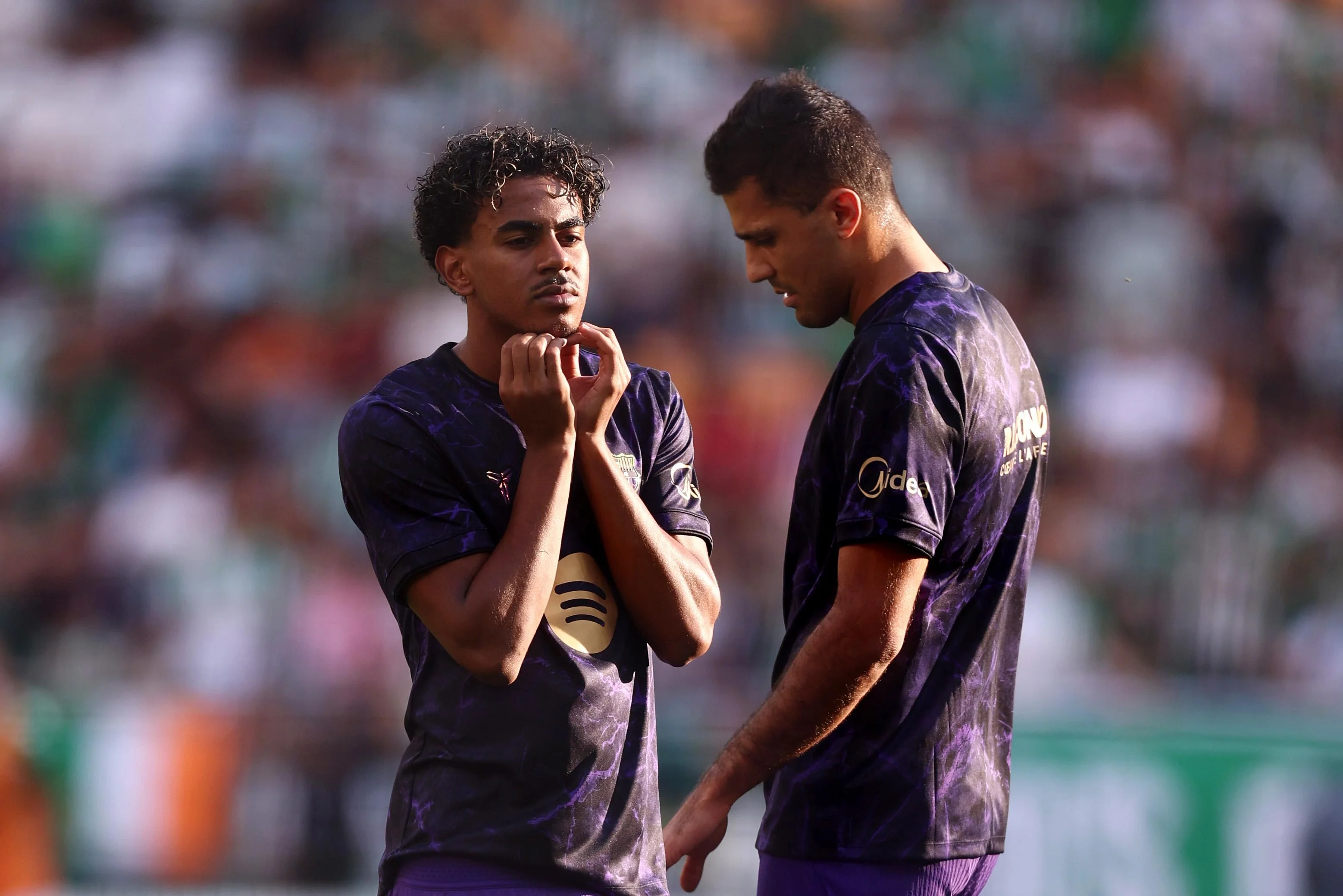
Rodri’s value to Barcelona appears to reach beyond his place in Hansi Flick’s starting XI. Catalunya Radio reports that the summer signing has quickly become a trusted guide for Lamine Yamal, whose rise has put him in the unusual position of being both a central figure for his club and one of its youngest players. Rodri’s advice carries weight in part because the two already know each other from Spain duty, where they’ve had the chance to build familiarity outside the daily routines of a club dressing room.
That prior connection matters. A young player can hear similar messages from coaches and senior teammates, but advice is more likely to land when it comes from someone he already trusts. Rodri’s experience gives him a perspective that can complement Flick’s instruction: he’s seen Yamal around the national team and can speak to the demands of playing alongside established internationals. The report doesn’t spell out the content of their conversations, so the importance lies in the relationship itself, rather than any particular piece of tactical counsel.
The report describes Rodri as one of Yamal’s most important teammates and says he acts as a kind of tutor. That’s a meaningful role in a squad where the demands on a young star extend beyond what happens during a match. Training habits, preparation, decisions under pressure and the rhythms of a long season are all areas where a trusted senior player can offer practical guidance. No single teammate can remove those challenges, of course. But a reliable voice can help make them easier to navigate.
Trust beyond the training ground
Their connection also shows in the club’s social routines: they’re often seen dining with Alejandro Balde and Rodri’s former Manchester City teammates Gabriel Jesus and Joao Cancelo. Those outings don’t prove how the group functions on the pitch, and a meal is not a measure of influence. Still, shared time away from training can help teammates get comfortable with one another, especially when a new arrival is finding his place in a squad with its own established relationships.
Here’s the thing: a club’s informal life can shape how quickly a player feels settled. The tactical work is visible; trust is harder to measure. A teammate who’s at ease asking a question or offering an honest response may be more useful than one who only contributes in scheduled meetings. (And this is the part most people overlook.) Social proximity isn’t the same as leadership, but it can create the conditions for leadership to matter.
The names in that group also suggest an overlap between Barcelona’s current relationships and Rodri’s previous football connections. That doesn’t tell us how much those ties affect the dressing room, and the report offers no basis for claiming they’ve changed the team’s dynamics. It does, however, help explain why Rodri might be able to form connections quickly: he arrives with relationships that extend beyond the players he’s met at Barcelona.
A voice across the squad
Rodri’s influence reportedly extends beyond the teenager. The World Cup winner is already regarded as nearly a captain and is willing to share his views with Flick and the coaching staff. For Barcelona, his early impact looks as much about leadership and guidance as it does about his regular role on the pitch. That combination can be valuable: a midfielder who understands the game’s demands from the center of the action may also be able to explain what he sees to teammates and coaches.
The description of Rodri as nearly a captain points to standing and responsibility, not necessarily to a formal title. Those distinctions matter. A player can become a reference point through his conduct, communication and consistency without being handed the armband. In a team led by a coach with his own ideas, a senior player who’s prepared to speak candidly can also act as a useful link between the squad and the staff. Whether that influence changes decisions or results isn’t established by the report.
This is more significant than it looks. Barcelona’s account of Rodri’s arrival isn’t limited to his place in the lineup; it presents him as someone whose experience is already being felt in relationships across the squad. That can add value to a signing, particularly when a young player such as Yamal is still developing. But the claim should be read at the scale the report supports: it describes trust and influence, not proof that Rodri has transformed the team.
What his early influence could mean
If you’re following Barcelona’s season, the useful question is how this role holds up over time. An early connection can be a promising sign, but the demands of a campaign test relationships in ways a handful of public appearances cannot show. Rodri’s guidance may remain important as Yamal’s responsibilities grow; it may also become one part of a broader support network involving coaches, teammates and the player’s own experience. The report doesn’t establish which way that will go.
That said, the broader point is clear enough: a team’s cohesion isn’t built only through formations and minutes played. Senior players can shape the environment by sharing knowledge, being available to younger teammates and communicating with the coaching staff. Those contributions are difficult to quantify, and they shouldn’t be treated as a substitute for performance. On the pitch, where it counts.
For now, Rodri’s reported influence offers a glimpse of how Barcelona may be drawing on his experience beyond his starting role. The evidence presented is personal and early: a trusted relationship with Yamal, social contact with other teammates and a willingness to speak with Flick and his staff. If those habits persist, they could help make Rodri a significant figure in the squad’s daily life. The test will be whether that trust continues to show up when the football gets harder.